


Recent graduates of engineering have just entered the energy industry and have a strong background in technical fundamentals from their schooling. Academic training has consistently emphasized analytical rigor and process design. Within the academic setting, engineering problems are usually framed with set inputs, constraints, and solutions. Yet, industry problems are often open-ended and influenced by multiple external variables that are not immediately quantifiable.
Industry decision-making is shaped by a wider set of constraints within economics, infrastructure, policy, and operating risks. Many early-career engineers are confronted with a steep learning curve when applying those skills to real-world environments.
The Future of Energy podcast was developed at the University of Southern California (USC) as a student-led platform focused on exploring how technical, financial, and strategic considerations can translate to modern energy systems. The podcast provides a platform for students to interview industry experts on how technologies function, how they are funded, and how they are implemented in practice.
Approach: Structuring a Platform Around Industry-Relevant Questions
The podcast was built around a student-to-expert format, where students led the conversation with industry leaders to translate current energy topics beyond the traditional coursework. This approach created an environment for the student cohosts and audiences to participate in a more fundamental and clear discussion. The student cohosts interview the experts who were prompted to explain what decisions are made in their industry, and why they are made in practice.
Some key areas explored include
- The trade-offs evaluated between cost, efficiency, and risk.
- The factors that determine if new technologies are adopted at scale.
- The role that policies and markets play in guiding project timelines.
The podcast topics were chosen based on the relevance to ongoing energy industry discussions. This included discussion surrounding climate modeling, the electrical grid, energy transition policies, and the oil and gas industry.
By designing the conversations around student understanding, the topics moved beyond technical descriptions to emphasize:
- The decision-making frameworks behind project development
- The dynamics behind engineering design and financial performance
- Operational and field-level limitations that influence implementation
The student-led format played an important role in shaping these conversations. Without decades of prior industry experience, the student cohosts often asked clarifying and foundational questions, which encouraged experts to translate their reasoning in a more structured and accessible way.
This approach provided a more integrated understanding to our audiences of how engineering solutions are evaluated in practice. Highlighting the intersection of technical feasibility, economic viability, and operational constraints.
Example Insights From Podcast Discussions
The discussions held across the podcast highlighted how industry challenges are consistently shaped by technical capability and real-world constraints.

For example, in an interview with John Clegg of Hephae Energy on geothermal energy, the episode discussed the realities surrounding enhanced geothermal systems and drilling. Geothermal development first began in Italy, where in 1904 the first generator produced only 10 kW of electricity. Technology has evolved significantly since then. It was emphasized during the interview that many modern geothermal advancements are tied directly to drilling and completion technologies originally developed for oil and gas operations. Clegg's interview highlighted how innovation in one sector of energy can directly influence and develop another.
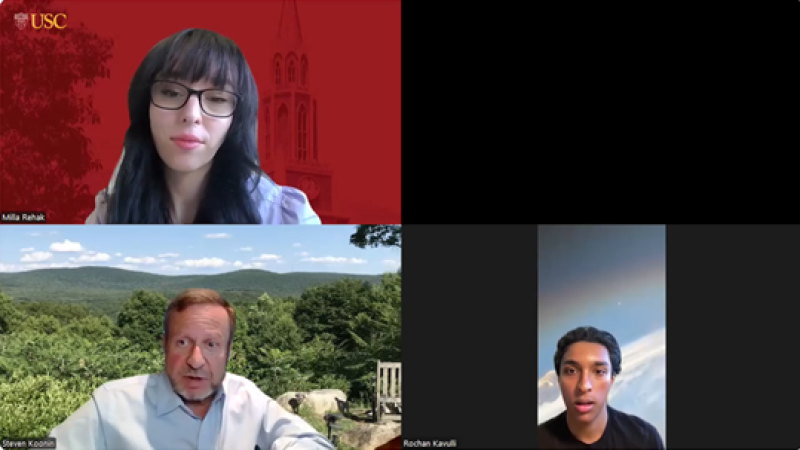
In another episode focused on climate modeling, the conversation shifted toward how technical tools are understood and applied in decision-relevant outcomes. Climate models are often presented through simplified outputs such as temperature projections. In this episode, we interviewed Stephen Koonin from the Hoover Institute at Stanford University and author of the book UnSettled. This episode highlighted the intricacy behind developing accurate climate modeling tools. We expanded the discussion around how assumptions, uncertainties, and limitations factor into this analysis. This reinforced the importance of understanding not only model results, but the methodologies and constraints that shape them.
A consistent theme emerged across these discussions: engineering solutions in energy are rarely evaluated independently. They are analyzed within a wider system where factors such as economic viability, technical feasibility, and operational constraints must be aligned.
Implications for Early-Career Professionals
The podcast highlights an opportunity to actively involve more students and early-career professionals in industry discussions that tend to be reserved for the experienced. Ranging from topics in oil and gas to climate modeling and energy systems, the student-to-expert dynamic shows that meaningful engagement does not require years of experience. It instead requires having accessibility to these conversations, curiosity about the topics, and the ability to ask key foundational questions.
The podcast brings students into these conversations with industry experts and creates a space where complex topics can be explored more openly. This format encourages experts to further explain technical details and their reasoning behind decisions. By doing this, the podcast also makes industry knowledge more accessible to a broader range of audiences.
For early-career professionals, this emphasizes the value of actively participating in discussions that go beyond textbooks and lecture halls. Instead of waiting to gain experience before engaging, students and early-career engineers can benefit from this format of early exposure on how decisions are made in the energy industry.
Some insights that were developed through this student-led interview format highlight different areas of focus for early-career professionals.
- Engaging in industry conversations allows students to have direct insight into expert perspectives.
- Becoming familiar with how both technical and operational factors impact industry relevant decisions.
- Strengthening soft skills such as communication can contribute to translating technical and nontechnical conversations.
Having access to more opportunities for this type of engagement can help bring together academic and industry practice, encouraging the next generation of energy professionals to lead conversations in the energy industry.
Conclusion
By understanding how decisions are made in the complex range of energy, instead of simply understanding technical applications, the transition from engineering education to industry practice becomes more cohesive.
The Future of Energy podcast is an important example of what happens when students are included in relevant conversations with industry experts. By having students ask key questions, the discussion around these energy topics change. Insights that have the tendency to be complex become more accessible to students and the wide array of listeners.
Including students early in these industry-relevant discussions is beneficially shaping the conversations and value to the energy industry. Opportunities that create more direct interaction between students and professionals help encourage a more informed and communicative generation entering the workforce.
The ability to connect technical knowledge and real-world insight remains essential as the energy industry continues to grow. Expanding access to these conversations through platforms such as The Future of Energy podcast can play an important and meaningful role in forming the next generation of energy leaders.
You can listen to episodes of The Future of Energy on Spotify or YouTube.
