Digital Transformation
AI and machine learning are transforming drilling execution, detecting downhole problems earlier, automating reporting, and closing the loop between the wellbore and the well plan through real-time geosteering.

How AI-powered well planning is transforming field development by accelerating trajectory design, reducing drilling risk, optimizing costs, and helping engineers deliver safer, more efficient wells.

Discover how AI leader Fatai Anifowose transformed skepticism into innovation, sharing insights on artificial intelligence in energy, leadership, continuous learning, and the skills shaping the future of the industry.
-
 The oil and gas sector stands on the edge of a digital revolution, yet legacy systems and resistance to change continue to hold it back. I reflect on my experience in digital drilling and argue that the industry’s biggest barrier isn’t technology itself, but the culture that surrounds it.
 -
For YPs entering the industry, cracking the data code is more than a technical exercise; it’s your power skill and your competitive edge.
-
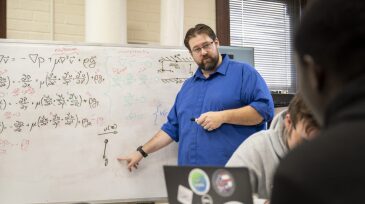
Founding dean of Missouri S&T’s Kummer College, James D. Sterling, sat down with Joshua Schlegel, associate professor and associate chair of nuclear engineering and radiation science, to discuss why nuclear power is making a comeback and what its resurgence means for the future of energy.
-
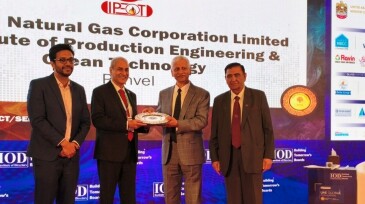
Rajiv Nischal, head of ONGC’s Institute of Production Engineering and Ocean Technology (IPEOT), shares the company's latest developments in technology, sustainability, safety, and more.
-
In this interview, Purohit explains why ultrasonic technology is rising as a dominant solution for gas-flow applications and how engineering teams can approach measurement as a tool not just for accountability but also for operational excellence.
-
David Nnamdi, SPE, speaks about his work as a data scientist and engineer, his development of Sequestrix, an open-source CO2 transport network optimization tool, and where he sees data science and AI’s role in the future of sustainable energy.
-
AI is beginning to transform well management by helping engineers predict electrical submersible pump failures before they happen, optimize drawdown more efficiently, and generate reliable forecasts even when data is scarce or noisy.
-
The oil and gas industry's shift to smart fields—driven by automation, AI, and real-time data—requires petroleum engineers to master digital technologies alongside traditional skills.
-
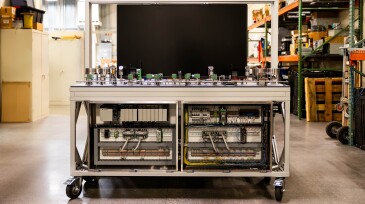
Tiger Skid, a custom-built cyber-physical training and testing platform, simulates real-world energy systems and industrial processes vulnerable to cyber-physical attacks.
-
As the energy sector rapidly evolves to address climate change, tools such as the En-ROADS Climate Solutions Simulator are essential for young professionals seeking to understand the complexities of the transition and make informed, impactful decisions.