Sustainability

Academic research can help bridge the gap between innovation and industry. In this interview, 2026 TWA Energy Influencer Sherif Fakher, SPE, reflects on his experiences in academia, SPE, and the importance of collaboration, innovation, and rethinking waste as a resource in the transition to a more sustainable energy future.

Texas A&M Researchers To Develop AI-Powered Drilling System To Accelerate Critical Mineral Discovery
Backed by a $3.5 million US Department of Energy grant, Texas A&M researchers are developing an AI-enabled drilling system that can identify critical minerals in real time, reducing exploration time and costs for rare earth element deposits.

The global energy transition is accelerating, but geopolitical tensions, infrastructure constraints, and behavioral barriers are increasingly shaping its pace, priorities, and long-term impact.
-
 By integrating AI into every layer of the energy ecosystem, from renewable forecasting to dynamic pricing, the path toward secure, sustainable, and affordable energy becomes not just possible but achievable.
 -
Led by OSU's Prem Bikkina, SPE, the research focuses on compiling and analyzing geological and geochemical data to estimate white hydrogen availability in Oklahoma and surrounding states.
-
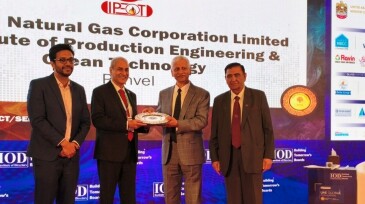
Rajiv Nischal, head of ONGC’s Institute of Production Engineering and Ocean Technology (IPEOT), shares the company's latest developments in technology, sustainability, safety, and more.
-
Colorado has introduced new regulations requiring oil and gas operators to reuse at least 4% of produced water by 2026.
-
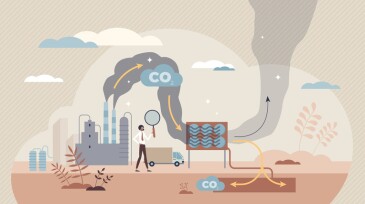
This article examines the safety of geological carbon storage by addressing common concerns, presenting evidence-based assessments, and exploring the actual measures in place to ensure its secure and responsible deployment.
-
The 2025 S&P Global Market Intelligence Report presents an analysis of the burgeoning financial risks stemming from physical climate hazards and a lack of corporate preparedness.
-
Ruben Caligari discusses the long-term outlook for energy demand, the growth of environmental concern, and the career opportunities that will continue to exist.
-
Richard Sykes, Executive Secretary of the International Petroleum Industry Environmental Conservation Association, weighs in on sustainability and social responsibility.