

Next in Energy
-
 AI is beginning to transform well management by helping engineers predict electrical submersible pump failures before they happen, optimize drawdown more efficiently, and generate reliable forecasts even when data is scarce or noisy.
 -
Colorado has introduced new regulations requiring oil and gas operators to reuse at least 4% of produced water by 2026.
-
While some see CCS as a vital tool for reducing emissions, others are exploring whether its current deployment aligns with long-term climate and clean energy goals.
-
The oil and gas industry's shift to smart fields—driven by automation, AI, and real-time data—requires petroleum engineers to master digital technologies alongside traditional skills.
-
This article explores how early-career engineers can build the competencies needed to support sustainability in oil and gas operations, not just for efficiency but also for climate resilience.
-
Microgrids are no longer niche innovations—they have become a foundational component of modern energy infrastructure. Realizing their full potential will require targeted policy reform, clearer regulatory frameworks, and greater access to innovative financing models.
-
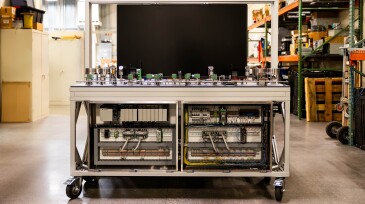
Tiger Skid, a custom-built cyber-physical training and testing platform, simulates real-world energy systems and industrial processes vulnerable to cyber-physical attacks.
-
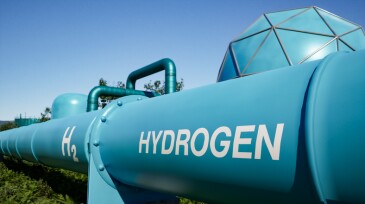
This article explores the integration of hydrogen into existing natural gas infrastructure and introduces practical solutions, including the application of machine learning models, to support decision-making and infrastructure adaptation in the energy transition.
-
As the energy sector rapidly evolves to address climate change, tools such as the En-ROADS Climate Solutions Simulator are essential for young professionals seeking to understand the complexities of the transition and make informed, impactful decisions.
-
Artificial intelligence is transforming—not replacing—petroleum engineering. As AI-driven, data-centric methods replace traditional deterministic models, engineers must adapt by acquiring skills in data science, algorithmic thinking, and software tools. The industry’s evolution raises a critical question: Will petroleum engineers evolve with these changes or risk beco…







Trending Content


