Data & Analytics

2026 TWA Energy Influencer Muhammad Karimi shares how he transformed academic research into a globally deployed energy technology, offering insights on innovation, entrepreneurship, oilfield digitalization, and the energy transition.

Discover how AI leader Fatai Anifowose transformed skepticism into innovation, sharing insights on artificial intelligence in energy, leadership, continuous learning, and the skills shaping the future of the industry.

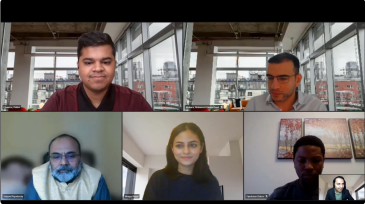
Utkarsh Sinha, 2026 TWA Energy Influencer, is driving innovation at the intersection of reservoir physics and AI, combining research, patents, and industry leadership to develop practical machine learning solutions that improve reservoir and production engineering decision-making.
-
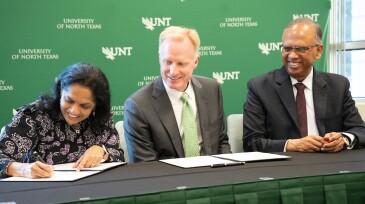
 The department was established in October with $3 million in funding from Anuradha and Vikas Sinha and aims to advance data science education, research, and career development.
 -
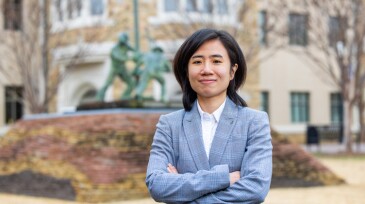
Yujing Du made history as she was named The University of Tulsa's first female petroleum engineering faculty member in January. In this Q&A, she discusses the role of petroleum engineering in the global energy transition, diversity in STEM, and strategies for supporting women in the energy sector.
-
On long-term trends, most things in the world are getting better, but gradual improvements don't make the news.
-
Subsurface modeling and history matching are critical steps for driving decisions. Generative artificial intelligence can support these efforts by incorporating various sources of information and allowing for low-dimensional parameterization for history matching.
-
TWA editors met with Satyam Priyadarshy, a technology fellow and chief data scientist at Halliburton, about how young professionals can prepare themselves for the application of data science in their work and how to approach problems and challenges.
-
Join TWA Editorial Board member Mani Bansal as he interviews Ashish Fatnani, an industry professional with 12 years of experience working for companies including Halliburton, ONGC, and Mercedes Benz.
-
The SPE Gulf Coast Section Data Analytics Group and Fervo Energy invite you to participate in the Machine Learning Challenge 2025 on 21 March.
-
The portal includes SPE resources like OnePetro, PetroWiki, JPT, Energy Stream, and SPE journals which can be easily searched using i2k Connect's AI-driven technology.
-
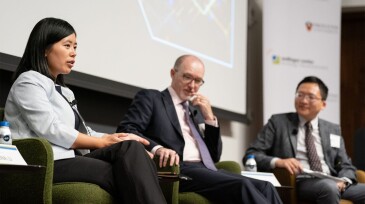
Experts from various fields met to discuss the role of AI in the energy transition and its challenges including high energy consumption and carbon-intensive infrastructure requirements.
-
Join TWA Editorial Board member Md Imtiaz as he interviews ONGC’s Western Offshore Asset Executive Director Ravi Shankar.