Digital Transformation

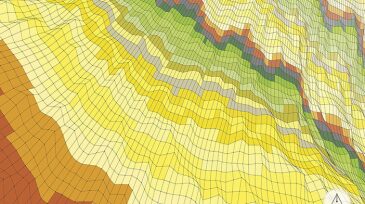
How AI-powered well planning is transforming field development by accelerating trajectory design, reducing drilling risk, optimizing costs, and helping engineers deliver safer, more efficient wells.

Discover how AI leader Fatai Anifowose transformed skepticism into innovation, sharing insights on artificial intelligence in energy, leadership, continuous learning, and the skills shaping the future of the industry.

Utkarsh Sinha, 2026 TWA Energy Influencer, is driving innovation at the intersection of reservoir physics and AI, combining research, patents, and industry leadership to develop practical machine learning solutions that improve reservoir and production engineering decision-making.
-
 No longer considered a buzz phrase, cloud computing has made converts of the largest oil companies, and now the smaller ones are next.
 -
The BP Statistical Review of World Energy is an institution in the energy world. Who's behind assembling and managing the mountain of data that goes into it?
-
A quick look at the term "Fourth Industrial Revolution" and links to related articles.
-
Data-driven reservoir modeling is an alternative or a complement to numerical simulation and uses machine learning and data mining to develop full-field reservoir models.
-
While sidetracking your career path is not an easy journey, the skills and knowledge gained in petroleum engineering education can be applied in other industries during the downturn.
-
AUVs aren’t limited to inspections and pipeline surveys. Deployment of a flotilla of AUVs to work on a project, and the communication among them, may someday lead to a subsea Internet of Things.
-
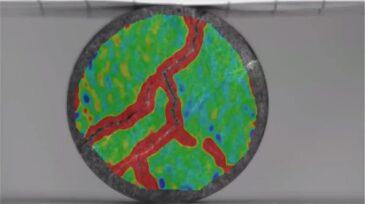
Technology that allows researchers to see stress forming inside rock samples may help unravel some of the mysteries associated with fracture behavior.
-
Always recorded but almost never used, the water hammer signal could offer completions engineers another set of insightful data if petroleum engineers can crack its code.
-
IoT is the next step in the evolution of the oil and gas industry. Changes have already begun in the field installations, in the corner office, and across the oil and gas value chain.
-
Permian Basin producer Callon Petroleum is attributing its data-driven approach to a routine completions practice to improved proppant placement and higher oil production.