

Energy Transition

The same well components can serve CO2 storage, hydrogen storage, or geothermal energy, but each application demands a different approach to well design, integrity, monitoring, and closure.

Oilfield expertise is helping accelerate geothermal development, but long-term commercial success depends on repeatable well performance, sustained power generation, and coordinated project execution from drilling to grid delivery.

Academic research can help bridge the gap between innovation and industry. In this interview, 2026 TWA Energy Influencer Sherif Fakher, SPE, reflects on his experiences in academia, SPE, and the importance of collaboration, innovation, and rethinking waste as a resource in the transition to a more sustainable energy future.
-
 This article provides an overview of risk-based measurement, monitoring, and verification (MMV) for efficient, long-term CO2 storage.
-
Join industry experts for a post-COP SPE Live to hear how these issues landed and what the outcomes might mean for the oil and gas industry.
-
In this panel, a group of professionals discuss their experiences and perspectives on working in a generationally diverse workforce and highlight ways to bridge the different generational approaches to work so that individuals of all ages feel valued for their unique capabilities and can thrive in their professional paths.
-
Explore the complexities of new energy sources in the 21st century.
-
Explore the complex challenges behind the energy trilemma in the UK and how young professionals can help make changes in the energy transition.
-
The team of editors from the Discover a Career section of TWA meet to discuss their education, career paths in the oil and gas industry, and what excites them in their everyday work.
-
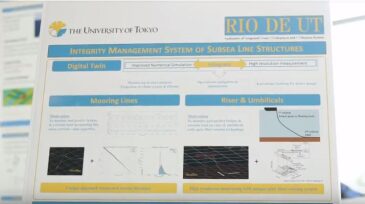
At the recently held Offshore Technology Conference in Houston, several universities from around the word showcased their current and planned research projects that are relevant to offshore technology in a special event called University R&D Showcase.
-
Kishore K. Mohanty of the University of Texas at Austin talks about technologies that can help industry meet energy demands without harming the environment.






Page 10 of 11