Technology

Learn how a five-step decision framework helps refineries select the right H2S removal technology by balancing compliance, risk, complexity, and cost.

A data-driven look at fuel savings, battery degradation, and net CO2 impact over a 10-year ownership period.

In an industry that rarely slows down, memory can be a powerful engineering tool. Not in terms of nostalgia, but in perspective. Many of the activities that constituted daily operations have been so deeply transformed that new generations of engineers may never have experienced them before.
-
 Subsurface modeling and history matching are critical steps for driving decisions. Generative artificial intelligence can support these efforts by incorporating various sources of information and allowing for low-dimensional parameterization for history matching.
 -
Join TWA Editorial Board member Mani Bansal as he interviews Ashish Fatnani, an industry professional with 12 years of experience working for companies including Halliburton, ONGC, and Mercedes Benz.
-
The SPE Gulf Coast Section Data Analytics Group and Fervo Energy invite you to participate in the Machine Learning Challenge 2025 on 21 March.
-
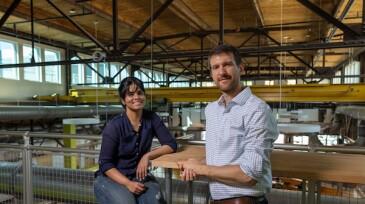
The duo’s development of electrodynamic screen technology uses static electricity to clean dust from solar panels, saving an estimated 4 billion gallons of water per year.
-
The portal includes SPE resources like OnePetro, PetroWiki, JPT, Energy Stream, and SPE journals which can be easily searched using i2k Connect's AI-driven technology.
-
Experts from various fields met to discuss the role of AI in the energy transition and its challenges including high energy consumption and carbon-intensive infrastructure requirements.
-
Join TWA Editorial Board member Md Imtiaz as he interviews ONGC’s Western Offshore Asset Executive Director Ravi Shankar.
-
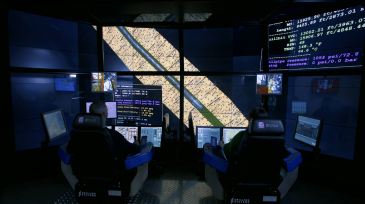
As video game technology has evolved, so have the ways in which this technology can be used in the oil and gas industry.
-
Five key themes to AI's success including standardization, automation, integration, scalability, and continuous improvement can provide a clear roadmap for effective AI deployment, addressing challenges and driving sustainability across the subsurface energy sector.
-
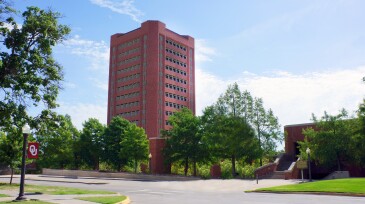
TWA editor in chief and University of Oklahoma alumnus Aman Srivastava interviews the professors and students in the university's petroleum engineering department about the cutting-edge research YPs are participating in.