

Next in Energy
-
 This commentary by the chair of the SPE Data Science and Engineering Analytics Technical Section examines how AI is reshaping petroleum engineering careers, highlighting growing risks to entry‑level training, judgment development, and the future pipeline of subject-matter experts in high‑consequence industries.
 -
Gas chromatography is a proven tool supporting the safe, compliant, and optimal operation of operation of carbon capture, utilization, and storage processes.
-
Louisiana's orphan wells may provide an opportunity for successful microbial hydrogen production as the energy industry looks toward sustainability.
-
The energy transition is often portrayed as linear, but recent geopolitical tensions and market uncertainties show that the shift to a low-carbon future will be complex and shaped by multiple, interconnected pressures.
-
Liu shares her career experiences as it spans biomedical engineering, multiphase flow measurement in oil and gas, and emissions quantification.
-
This SPE Live episode will unlock how early-career engineers can position themselves for long-term growth in hydrogen-related projects.
-
Agentic AI could help upstream oil and gas operations reduce emissions by enabling real-time methane detection, optimizing flaring and energy use, and improving carbon capture efficiency.
-
AI-driven analytics and digital platforms are reshaping offshore operations, enabling smarter, faster decision-making.
-
Geoscientists are shifting from primarily discovering and extracting resources to integrating knowledge, guiding sustainable decisions, and using Earth’s history to help balance resource development with long-term planetary health.
-
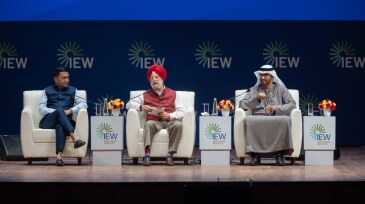
With more than 75,000 professionals in attendance, the fourth edition of India Energy Week brought together industry leaders, policymakers, and energy stakeholders to discuss not just oil and gas, but the future of energy.


Page 1 of 17
Trending Content


