

Next in Energy
-
 With the right governance, CCS funding can be a strategic tool to decarbonize hard-to-abate sectors, safeguard jobs, and help meet net-zero goals.
 -
Geothermal energy currently supplies less than 1% of US power but could reach approximately 10% with enhanced systems if well integrity challenges are solved, positioning it as a key player in a net-zero 2050 grid.
-
In the real world, where data is messy and workflows are rarely linear, automation often fails. That's where agentic AI comes in.
-
The universities are forming a national hub focused on advancing safe and reliable subsurface storage of energy-related fluids.
-
The curriculum covers topics such as geochemical and technological removal methods, life cycle assessments, and storage solutions.
-
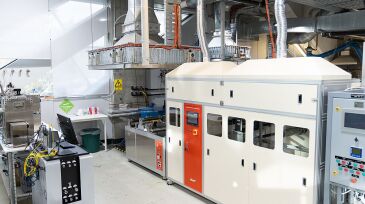
The semi-pilot system uses custom membranes and catalysts to release hydrogen from liquid organic hydrogen carriers at low temperatures, reducing energy use and costs compared with current high-temperature methods.
-
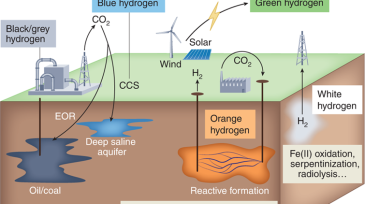
For young professionals, natural hydrogen presents unique opportunities to shape an early-stage industry and contribute to the broader energy transition.
-
Led by OSU's Prem Bikkina, SPE, the research focuses on compiling and analyzing geological and geochemical data to estimate white hydrogen availability in Oklahoma and surrounding states.
-
Rajiv Nischal, head of ONGC’s Institute of Production Engineering and Ocean Technology (IPEOT), shares the company's latest developments in technology, sustainability, safety, and more.
-
David Nnamdi, SPE, speaks about his work as a data scientist and engineer, his development of Sequestrix, an open-source CO2 transport network optimization tool, and where he sees data science and AI’s role in the future of sustainable energy.







Trending Content


