Energy Transition

Part two of this three-part series explores the history of 10 years, 2005 to 2014, of the UN Climate Change Conference of the Parties.

The energy transition is often portrayed as linear, but recent geopolitical tensions and market uncertainties show that the shift to a low-carbon future will be complex and shaped by multiple, interconnected pressures.

Liu shares her career experiences as it spans biomedical engineering, multiphase flow measurement in oil and gas, and emissions quantification.
-
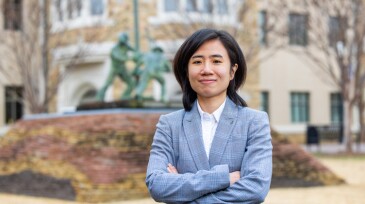
 Yujing Du made history as she was named The University of Tulsa's first female petroleum engineering faculty member in January. In this Q&A, she discusses the role of petroleum engineering in the global energy transition, diversity in STEM, and strategies for supporting women in the energy sector.
 -
The 3-day event will feature panel discussions, roundtables, a career fair, and the section’s third annual golf tournament.
-
TWA Editor in Chief James Blaney shares insights on career development, the evolving role of young professionals, and the importance of adaptability, networking, and hands-on experience in a dynamic industry.
-
On long-term trends, most things in the world are getting better, but gradual improvements don't make the news.
-
The first of a 12-part series focused on addressing financial barriers to geothermal energy expansion.
-
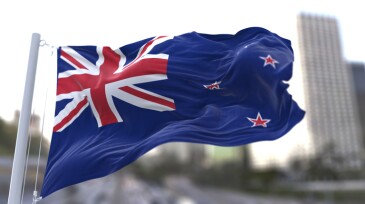
Young professionals in New Zealand have unique opportunities to shape the future of the energy industry by driving innovation, influencing policy, and advancing a sustainable, low-carbon economy.
-
Join TWA Editorial Board member Mani Bansal as he interviews Ashish Fatnani, an industry professional with 12 years of experience working for companies including Halliburton, ONGC, and Mercedes Benz.
-
Nigeria's readiness for CCS and the associated opportunities for emissions reduction are analyzed in this article along with an overview of recent developments in the CCS sector, with a focus on policy and regulatory advancements and geological assessments for CO2 storage potential.
-
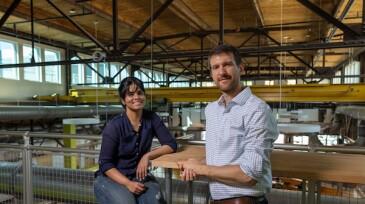
The duo’s development of electrodynamic screen technology uses static electricity to clean dust from solar panels, saving an estimated 4 billion gallons of water per year.
-
Five of the 2024 TWA Energy Influencers will be featured in upcoming SPE Live episodes discussing a range of topics related to the industry.