Energy Transition

Academic research can help bridge the gap between innovation and industry. In this interview, 2026 TWA Energy Influencer Sherif Fakher, SPE, reflects on his experiences in academia, SPE, and the importance of collaboration, innovation, and rethinking waste as a resource in the transition to a more sustainable energy future.

Can hydrogen transform Nigeria’s energy future? By leveraging its vast natural gas, solar, and hydropower resources, Nigeria has a unique opportunity to overcome energy poverty, drive industrial growth, and emerge as Africa’s leading hydrogen economy.

Texas A&M Researchers To Develop AI-Powered Drilling System To Accelerate Critical Mineral Discovery
Backed by a $3.5 million US Department of Energy grant, Texas A&M researchers are developing an AI-enabled drilling system that can identify critical minerals in real time, reducing exploration time and costs for rare earth element deposits.
-
![SPE Port Harcourt Section YP Symposium_TWA [UPDATED].png](data:image/gif;base64,R0lGODlhAQABAAAAACH5BAEKAAEALAAAAAABAAEAAAICTAEAOw==) The 3-day event includes a keynote session, panel discussions, breakout sessions, an energy challenge, and a career fair.
The 3-day event includes a keynote session, panel discussions, breakout sessions, an energy challenge, and a career fair. -
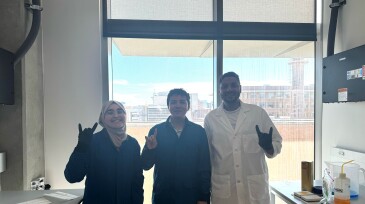
UT Austin students Nadia Mouedden and Deena Elhossary taught CO2 injection and storage to students using simple household materials during the International Day of Women and Girls in Science.
-
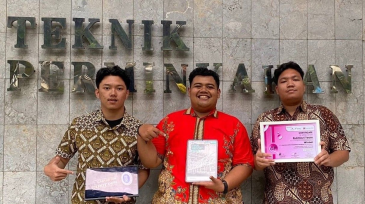
The trio introduced an innovative mud drilling system designed for horizontal reservoirs with extreme inclines of up to 102° and depths reaching 11,000 ft.
-
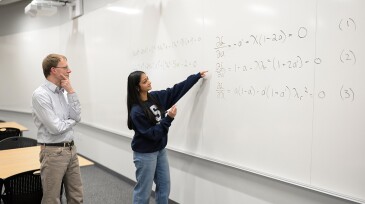
Divya Tyagi refined a century-old aerodynamic problem by Hermann Glauert, making it simpler and more practical for wind turbine design.
-
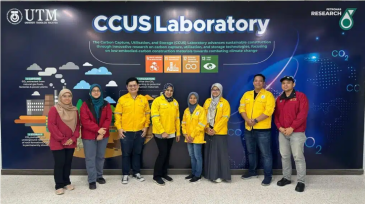
The facility serves as a center for students, researchers, and industry experts to collaborate on innovative solutions for reducing carbon emissions in the construction sector.
-
Explore the California Carbon Allowance (CCA) Market's structure, economic and environmental impacts, and its potential for future growth.
-
Two hubs were launched in September 2024 at Pembrokeshire College and Fife College with a third planned to launch in 2025 at North East Scotland College (Aberdeen).
-
In part three of the Decoding Sustainability series, Mercedes Maroto-Valer, director of the UK Industrial Decarbonization Research and Innovation Center, shares her insights on diversity and inclusion, drawing from her personal experiences and position as a leader in the field.
-
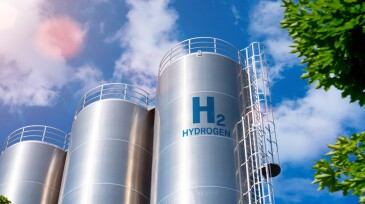
Explore hydrogen's role in industrial decarbonization through three real-world examples.
-
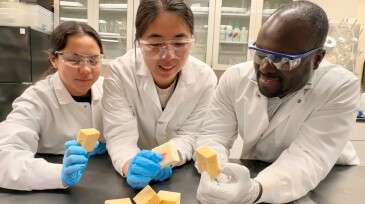
Researchers say the environmentally friendly method to extract lignin from pine will allow it to replace 20% of the fossil fuel-based chemicals in polyurethane foams.
![SPE Port Harcourt Section YP Symposium_TWA [UPDATED].png](https://assets.spe.org/dims4/default/8966983/2147483647/strip/true/crop/1079x603+0+80/resize/365x204!/quality/90/?url=http%3A%2F%2Fspe-brightspot.s3.us-east-2.amazonaws.com%2F0c%2F00%2Fe372110049e184bbf29f0a09f5de%2Fspe-port-harcourt-section-yp-symposium-twa-updated.png)