Energy Transition

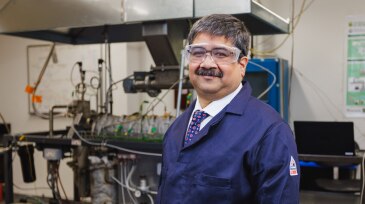
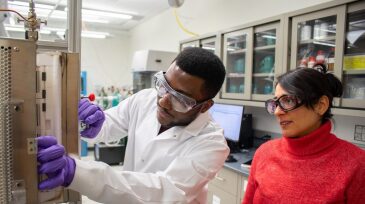
Academic research can help bridge the gap between innovation and industry. In this interview, 2026 TWA Energy Influencer Sherif Fakher, SPE, reflects on his experiences in academia, SPE, and the importance of collaboration, innovation, and rethinking waste as a resource in the transition to a more sustainable energy future.

Can hydrogen transform Nigeria’s energy future? By leveraging its vast natural gas, solar, and hydropower resources, Nigeria has a unique opportunity to overcome energy poverty, drive industrial growth, and emerge as Africa’s leading hydrogen economy.

Texas A&M Researchers To Develop AI-Powered Drilling System To Accelerate Critical Mineral Discovery
Backed by a $3.5 million US Department of Energy grant, Texas A&M researchers are developing an AI-enabled drilling system that can identify critical minerals in real time, reducing exploration time and costs for rare earth element deposits.
-
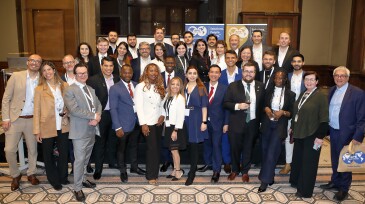
 Organized by YPs for YPs, this initiative offers a safe and inspiring space where learning meets leadership, and where the future of energy is not only discussed, but co-created.
 -
Presented by the SPE German Section, the webinar will focus on how commercial extraction will require innovative approaches due to the depth and low permeability of key formations in the basin.
-
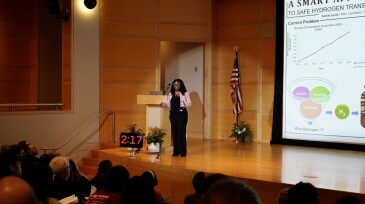
The 3-Minute Thesis competition challenges grad students to ditch the jargon, simplify the science, and captivate a nonspecialist audience—with only one slide and a ticking clock.
-
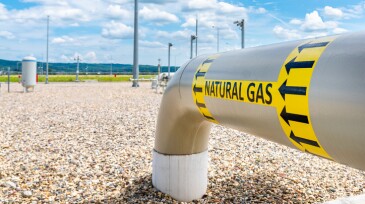
Natural gas has played a key role in reducing emissions and supporting renewable energy, but its continued use as a "bridge fuel" raises concerns about long-term climate impacts, especially due to methane leaks and potential carbon lock-in. Its future depends on context-specific policies, decarbonization incentives, and advances in carbon capture technologies.
-
The university has created a unique center to consolidate the efforts of more than 60 researchers working across the hydrogen value chain, including production, storage, transportation, and utilization.
-
Explore how the industry is measuring and reporting carbon intensity, the strategies being employed to reduce it, from operational efficiencies and electrification to cutting flaring, and the collaborative initiatives driving progress.
-
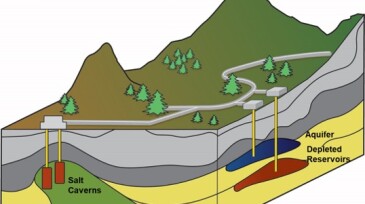
Underground hydrogen storage is emerging as a vital element in the transition to a low-carbon hydrogen economy, offering a way to balance renewable energy supply. Its success depends on more than storage space—it requires a comprehensive understanding of geochemical, geomechanical, microbial, and economic factors.
-
Integrating financial and HR expertise boosts profitability, reduces operational risks, and enhances long-term planning—empowering HR to tackle sector-specific challenges like budget constraints and talent shortages more effectively.
-
The project will focus on converting natural gas into cleaner, more economically viable turquoise hydrogen in southwest Virginia from reserves including the Marcellus Shale and the Appalachian Basin.
-
TWA Energy Influencers Nihal Darraj, Sayanima Kisku, Ismaila Ibrahim, Olawale Ajayi, and Gabrijel Grubac reflect on the significance of the TWA Energy Influencer award and how it has helped their professional journey. The deadline for 2025 nominations is 1 July 2025.