Energy Transition

Academic research can help bridge the gap between innovation and industry. In this interview, 2026 TWA Energy Influencer Sherif Fakher, SPE, reflects on his experiences in academia, SPE, and the importance of collaboration, innovation, and rethinking waste as a resource in the transition to a more sustainable energy future.

Can hydrogen transform Nigeria’s energy future? By leveraging its vast natural gas, solar, and hydropower resources, Nigeria has a unique opportunity to overcome energy poverty, drive industrial growth, and emerge as Africa’s leading hydrogen economy.

Texas A&M Researchers To Develop AI-Powered Drilling System To Accelerate Critical Mineral Discovery
Backed by a $3.5 million US Department of Energy grant, Texas A&M researchers are developing an AI-enabled drilling system that can identify critical minerals in real time, reducing exploration time and costs for rare earth element deposits.
-
 Geothermal energy currently supplies less than 1% of US power but could reach approximately 10% with enhanced systems if well integrity challenges are solved, positioning it as a key player in a net-zero 2050 grid.
 -
The universities are forming a national hub focused on advancing safe and reliable subsurface storage of energy-related fluids.
-
The free, 1-day symposium will bring together graduate students, faculty, and industry leaders dedicated to advancing research, career growth, and energy innovation.
-
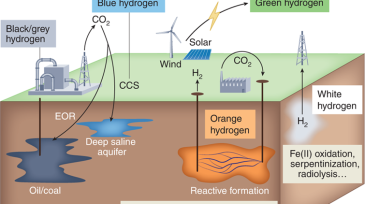
For young professionals, natural hydrogen presents unique opportunities to shape an early-stage industry and contribute to the broader energy transition.
-
The SPE Spain Section visited with 2026 SPE President Jennifer Miskimins to engage in a direct, thoughtful dialogue about the section's current challenges, goals, and the path forward as a small SPE community in Europe.
-
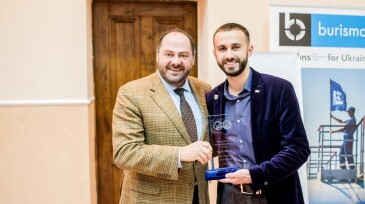
Yurii Moroz, SPE, reflects on his career journey from field operations to leading new energy project management including hydrogen, geothermal, CRM, and CCS projects at Ukraine’s largest state-owned gas company.
-
While some see CCS as a vital tool for reducing emissions, others are exploring whether its current deployment aligns with long-term climate and clean energy goals.
-
A University of Tulsa PhD student Gulnur Ualiyea is advancing CO2 well injection technology through groundbreaking research on downward gas-liquid flow. Her innovative work is gaining global recognition and reshaping the future of sustainable energy.
-
Global investment in the energy transition is creating high-demand roles for engineers in solar, wind, and digital energy systems. For YPs and engineers, adapting to this shift means upskilling in cross-disciplinary, digital, and sustainability-focused domains to stay competitive.
-
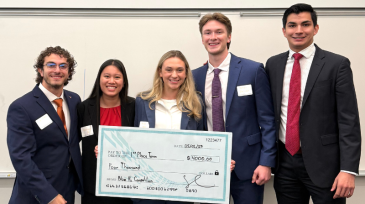
A team from UT Austin won the Blue Hydrogen Student Design Competition, where more than 200 students from three Texas universities designed sustainable hydrogen production processes.