Energy Transition

Academic research can help bridge the gap between innovation and industry. In this interview, 2026 TWA Energy Influencer Sherif Fakher, SPE, reflects on his experiences in academia, SPE, and the importance of collaboration, innovation, and rethinking waste as a resource in the transition to a more sustainable energy future.

Can hydrogen transform Nigeria’s energy future? By leveraging its vast natural gas, solar, and hydropower resources, Nigeria has a unique opportunity to overcome energy poverty, drive industrial growth, and emerge as Africa’s leading hydrogen economy.

Texas A&M Researchers To Develop AI-Powered Drilling System To Accelerate Critical Mineral Discovery
Backed by a $3.5 million US Department of Energy grant, Texas A&M researchers are developing an AI-enabled drilling system that can identify critical minerals in real time, reducing exploration time and costs for rare earth element deposits.
-
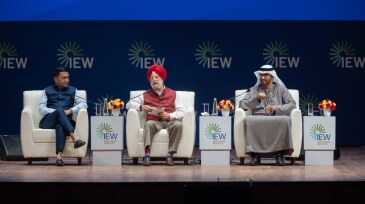
 With more than 75,000 professionals in attendance, the fourth edition of India Energy Week brought together industry leaders, policymakers, and energy stakeholders to discuss not just oil and gas, but the future of energy.
 -
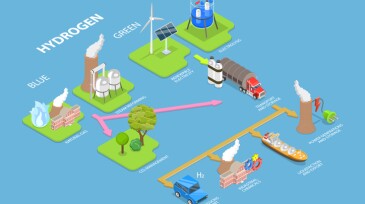
Hydrogen is emerging as a key low-carbon energy carrier for the energy transition, with multiple production pathways that differ in cost, emissions, and scalability trade-offs.
-
By integrating AI into every layer of the energy ecosystem, from renewable forecasting to dynamic pricing, the path toward secure, sustainable, and affordable energy becomes not just possible but achievable.
-
The plan seeks to train the next generation of clean-energy workers, aiming to double employment in the sector to 860,000 by 2030.
-
The two projects under the university’s Targeted Proposal Teams program will focus on underground hydrogen and geologic storage solutions.
-
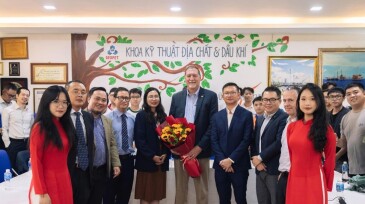
The 2-day engagement was designed to reinforce SPE’s commitment to its global sections, engage with key industrial and academic partners, and inspire the next generation of energy professionals in one of Southeast Asia's recently active and vibrant energy hubs.
-
This article highlights how oil and gas companies are leveraging existing infrastructure, expertise, and emerging technologies to lead in the development of the hydrogen economy.
-
Early- and mid-career scholars are invited to apply for the 2026–2027 Harrington Faculty Fellows Program, which will focus on energy research.
-
The university's new undergraduate program in natural gas, renewables, and oil engineering will train students in both traditional oil and gas cirricula and renewable energy.
-
The program will train more than 1,200 workers across Canada for careers in carbon capture, utilization, and storage.