Risk management

Discover how seismic, electromagnetic, radar, passive monitoring, and data-driven inversion can support safer CO2 storage and create opportunities for young energy professionals.

Learn how a five-step decision framework helps refineries select the right H2S removal technology by balancing compliance, risk, complexity, and cost.

Nima Daneshvarnejad, SPE, discusses how AI, IoT, and continuous methane monitoring can help improve well-integrity management and reduce emissions from abandoned oil and gas wells.
-
 This article introduces a tender strategy framework—a four-pillar model built on nearly 2 decades of international upstream experience—that integrates engineering rigor with business strategy to improve contract awards, strengthen transparency, and deliver lasting project performance.
 -
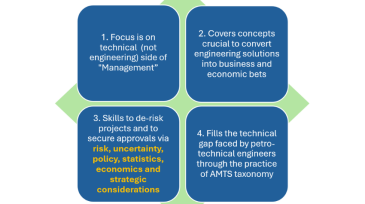
The SPE Asset Management Technical Section (AMTS) is teaming up with the University of Houston to launch a pilot program that advances asset management practices and supports the growth of energy professionals worldwide—setting a model for future collaborations between universities and SPE technical sections.
-
The SPE Management Technical Section has been officially renamed the Asset Management Technical Section. The new name better reflects the section’s focus on asset management as a core discipline in the upstream oil and gas industry.
-
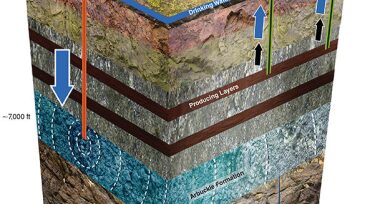
This article provides an overview of risk-based measurement, monitoring, and verification (MMV) for efficient, long-term CO2 storage.
-
Delve into a method designed to analyze and solve problems in the offshore equipment inspection process in this article.
-
SPE has established three new technical sections—the Management Technical Section, the Methane Emissions Management Technical Section, and the Data Science & Engineering Analytics Technical Section.
-
A technical synopsis of major considerations for unconventional wells facing prolonged shut-ins. The review includes deciding factors for kill fluid selection and risks of incompatible fluid mixing.
-
In North America’s most active shale fields, the drilling and hydraulic fracturing of new wells is directly placing older adjacent wells at risk of suffering a premature decline in oil and gas production.
-
If a boom in electric vehicle sales takes place, a group of auto experts suggest it would represent a larger immediate threat to electricity supply than it would to oil demand.
-
Industry regulators in Oklahoma have rolled out broad new restrictions on more than 600 disposal wells as part of the largest action of its kind taken in response to earthquakes.