

Risk management

Discover how seismic, electromagnetic, radar, passive monitoring, and data-driven inversion can support safer CO2 storage and create opportunities for young energy professionals.

Learn how a five-step decision framework helps refineries select the right H2S removal technology by balancing compliance, risk, complexity, and cost.

Nima Daneshvarnejad, SPE, discusses how AI, IoT, and continuous methane monitoring can help improve well-integrity management and reduce emissions from abandoned oil and gas wells.
-
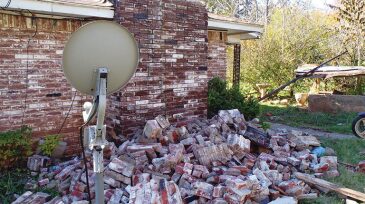
 A sharp rise in seismic events in some areas of the United States where oil and gas production is booming is leading regulators and the industry to examine whether the two are related.
-
The United States’ top offshore regulator said his agency is adopting new policies and measures to improve its working relationship with the offshore industry.
-
Cost estimation for facilities depends on early concept selection and critical inputs, often complicated by uncertainty in one or more of the critical inputs. Empirical cost models and cost modeling methods using these inputs vary in degrees of scope, comprehensiveness, and robustness.
-
Decision analysis is not a cookbook or series of boxes that must be checked before a project is approved, argue professors Reidar Bratvold and Steve Begg, who share some pointers on how to map out the likely consequences of decisions, assess the importance of individual factors, and choose the best.


Page 3 of 3