Technology
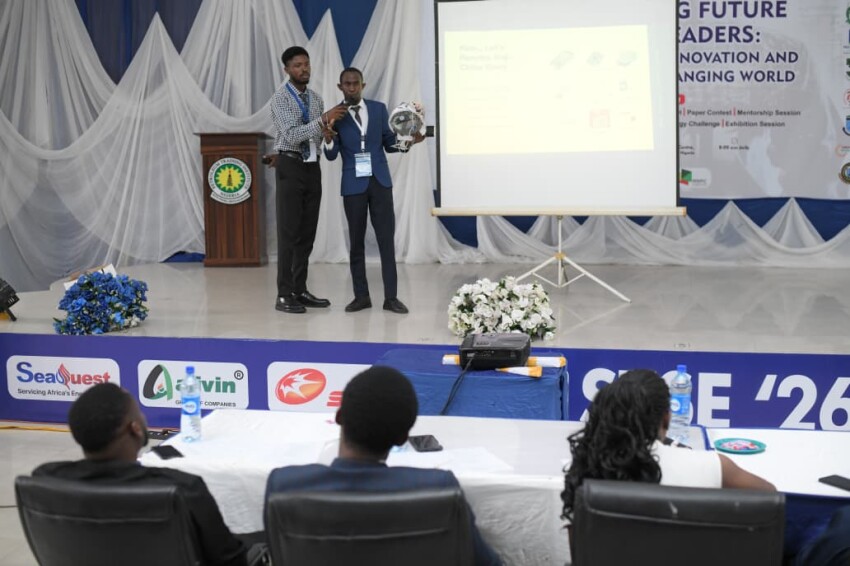
A smart safety helmet with physiological monitoring, gas detection, and real-time location tracking for emergencies was the winning concept at this year's SPE Students Technical Symposium and Exhibition.

This article examines how domain experts can use no-code ML platforms to explore decision-relevant problems, validate hypotheses, quickly build prototypes, and engage more effectively with data science teams when solutions transition toward production.

Over the past decade, oilfield service companies have transformed logging-while-drilling (LWD) development into a faster, collaborative, system-level process that delivers improved reliability from the first run and makes development philosophy as important as the technology itself.
-
 When people hear of surfactant research in the oil and gas industry, they most likely think of surfactant flooding. An emerging area of surfactant application in the industry is as a conformance improvement agent.
 -
Policies can be very effective at driving behavior, but they must work in concert with enabling technology to realize the outcomes we desire, including increased energy efficiency and reduced emissions.
-
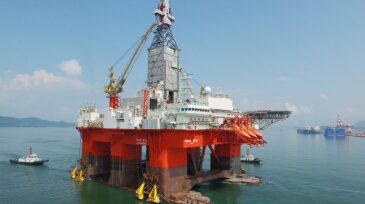
The latest example of the offshore sector's march toward automated wellbore construction will take shape later this year in the North Sea.
-
Since the 1980s, many technical works have focused on improving the ability to detect hydrocarbons inside the riser and safely remove them from the system. This trend gained extra momentum with the advent of systems such as riser-gas handlers and managed-pressure drilling.
-
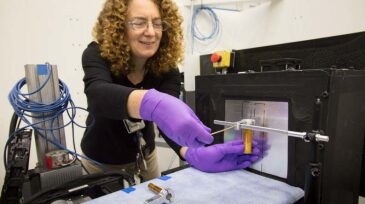
A team of researchers at the Department of Energy’s Oak Ridge National Laboratory is using a combination of neutron and x-ray scattering to make the hydraulic fracturing safer and more efficient.
-
Downhole drilling dynamics tools and software can assist in understanding the downhole environment, providing a meaningful avenue for drilling optimization.
-
With rig rates running upwards of a million dollars a day for some operations, shaving even a few minutes off the drilling time can result in tens of thousands of dollars in savings. One of the fundamental ways a drilling engineer can achieve this is through selection of a proper drill bit.
-
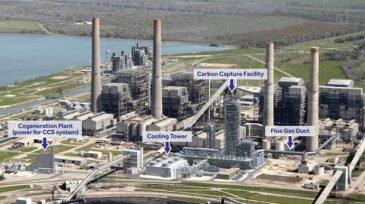
CCUS is an interdisciplinary research field and its broad scope means that CCUS offers numerous opportunities for science and engineering graduates, including petroleum engineers.
-
Mitigation of stress shadowing could significantly enhance the impact of hydraulic fracturing treatments, increasing stimulated reservoir volume and leading to higher production of hydrocarbons.
-
Recent advances in field development are not based on specific technical breakthroughs (although shale oil and gas and deep oil owe a lot to those) but on economic models and scenarios run at the very beginning, before any dollar is invested.