Data & Analytics

How AI-powered well planning is transforming field development by accelerating trajectory design, reducing drilling risk, optimizing costs, and helping engineers deliver safer, more efficient wells.

2026 TWA Energy Influencer Muhammad Karimi shares how he transformed academic research into a globally deployed energy technology, offering insights on innovation, entrepreneurship, oilfield digitalization, and the energy transition.

Discover how AI leader Fatai Anifowose transformed skepticism into innovation, sharing insights on artificial intelligence in energy, leadership, continuous learning, and the skills shaping the future of the industry.
-
 The international major has been playing with intelligent programs for years, but this new deal shows that it is now ready to scale those efforts up to cover hundreds of thousands of pieces of equipment.
 -
The 5-year-old software startup is getting noticed by the oil and gas industry for its ability to accelerate analytics projects by taking care of all the tedious work involved with data wrangling.
-
BP has invested more than $100 million into nine different startup companies in the past 2 years—but only one of them wants to turn your brain into a piece of its software.
-
The same tools that make it fun and easy for you to see a friend's updates online are also pretty good at tying together unconnected databases holding valuable well information.
-
What do 60,000 sensors on 1,200 pieces of equipment add up to? Hopefully, hundreds of millions of dollars in savings.
-
Video games have been seen as a big waste of time for years by parents around the globe. But now, the oil and gas industry sees the underlying technology as a big time saver.
-
The pressure pumping giant turns to algorithms to get better fractures and fewer problems.
-
Well-interference issues can be hard to diagnose, but this startup may be figuring that out. The data-driven process it developed can also help operators come up with more effective ways to use diverters.
-
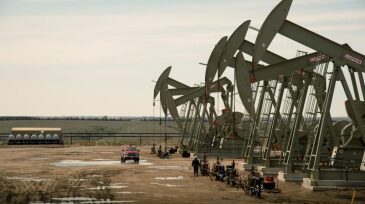
Hundreds of rod-lift wells in North Dakota are about to get a big upgrade.
-
A recent research effort has shown that the digital journey is full of stumbling blocks. Just like humans, advanced computing technology will get some things right and some things wrong.