

Decarbonization

The energy transition is often portrayed as linear, but recent geopolitical tensions and market uncertainties show that the shift to a low-carbon future will be complex and shaped by multiple, interconnected pressures.

Agentic AI could help upstream oil and gas operations reduce emissions by enabling real-time methane detection, optimizing flaring and energy use, and improving carbon capture efficiency.

Part one of this three-part series explores the history of the first 10 years of the UN Climate Change Conference of the Parties.
-
 The curriculum covers topics such as geochemical and technological removal methods, life cycle assessments, and storage solutions.
 -
While some see CCS as a vital tool for reducing emissions, others are exploring whether its current deployment aligns with long-term climate and clean energy goals.
-
This article explores how early-career engineers can build the competencies needed to support sustainability in oil and gas operations, not just for efficiency but also for climate resilience.
-
Microgrids are no longer niche innovations—they have become a foundational component of modern energy infrastructure. Realizing their full potential will require targeted policy reform, clearer regulatory frameworks, and greater access to innovative financing models.
-
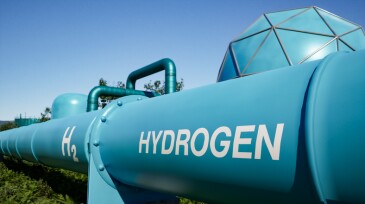
This article explores the integration of hydrogen into existing natural gas infrastructure and introduces practical solutions, including the application of machine learning models, to support decision-making and infrastructure adaptation in the energy transition.
-
The 2025 S&P Global Market Intelligence Report presents an analysis of the burgeoning financial risks stemming from physical climate hazards and a lack of corporate preparedness.
-
A University of Tulsa PhD student Gulnur Ualiyea is advancing CO2 well injection technology through groundbreaking research on downward gas-liquid flow. Her innovative work is gaining global recognition and reshaping the future of sustainable energy.






Page 2 of 2