HSE & Sustainability
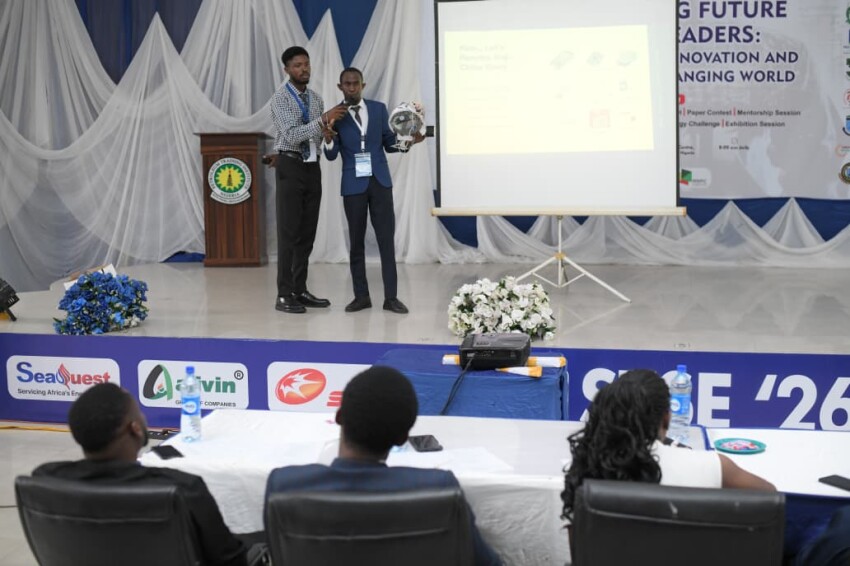
A smart safety helmet with physiological monitoring, gas detection, and real-time location tracking for emergencies was the winning concept at this year's SPE Students Technical Symposium and Exhibition.

Part two of this three-part series explores the history of 10 years, 2005 to 2014, of the UN Climate Change Conference of the Parties.

The energy transition is often portrayed as linear, but recent geopolitical tensions and market uncertainties show that the shift to a low-carbon future will be complex and shaped by multiple, interconnected pressures.
-
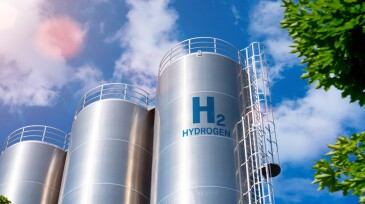
 Explore hydrogen's role in industrial decarbonization through three real-world examples.
 -
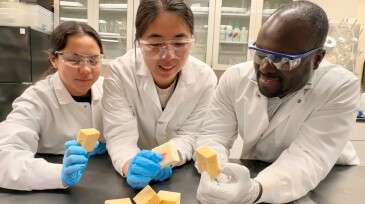
Researchers say the environmentally friendly method to extract lignin from pine will allow it to replace 20% of the fossil fuel-based chemicals in polyurethane foams.
-
Four technologies included in the Global CCS Institute's latest CCS Technologies 2024 report are explored in this article.
-
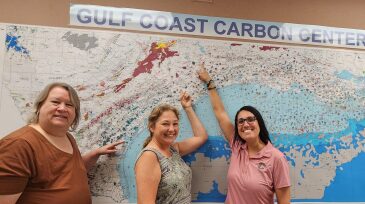
The initiative, launched by UT-Austin and five other regional universities, will use $2.5 million in funding from the US Department of Energy to teach K-12 students in Texas schools about carbon capture and storage.
-
Solar energy, a vast, inexhaustible, and clean resource, stands at the forefront of the focus on sustainable energy solutions.
-
The university's project was one of 66 to receive funding from the US Department of Energy for "transformational technologies."
-
OU Professor Kasun Gunasooriya and his team's research shows that iridium oxide, a key green hydrogen catalyst, forms short-range order patterns over time rather than becoming fully amorphous.
-
Gabrijel Grubac explores his journey from discovering his passion for energy in the Libyan desert to becoming a leader in geothermal innovation.
-
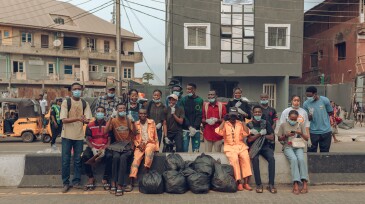
Driven by the belief that a clean and eco-friendly environment is essential for sustainability, SPE's University of Lagos Student Chapter held a cleanup initiative at two major markets in Yaba, Lagos.
-
Dorit Hammerling, Colorado School of Mines, co-founded the Energy Emissions Modeling and Data Lab, an interdisciplinary initiative involving Mines, The University of Texas at Austin, and Colorado State University.