HSE & Sustainability

Learn how a five-step decision framework helps refineries select the right H2S removal technology by balancing compliance, risk, complexity, and cost.

Students from around the globe are invited to participate in the 2026 Switch Global Case Competition to tackle the pressing issue of energy poverty and compete for $50,000 in prize money.

A data-driven look at fuel savings, battery degradation, and net CO2 impact over a 10-year ownership period.
-
 Gabrijel Grubac explores his journey from discovering his passion for energy in the Libyan desert to becoming a leader in geothermal innovation.
 -
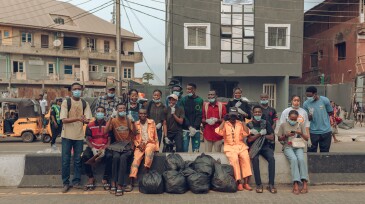
Driven by the belief that a clean and eco-friendly environment is essential for sustainability, SPE's University of Lagos Student Chapter held a cleanup initiative at two major markets in Yaba, Lagos.
-
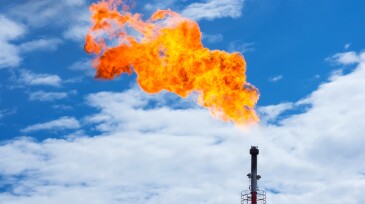
Dorit Hammerling, Colorado School of Mines, co-founded the Energy Emissions Modeling and Data Lab, an interdisciplinary initiative involving Mines, The University of Texas at Austin, and Colorado State University.
-
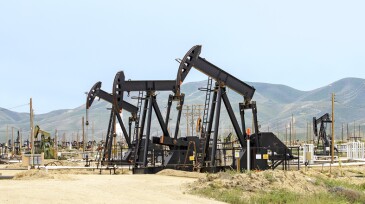
The grant provides funding for students to research greenhouse gas emissions from idle and abandoned oil and gas wells in California.
-
On long-term trends, most things in the world are getting better, but gradual improvements don't make the news.
-
The first of a 12-part series focused on addressing financial barriers to geothermal energy expansion.
-
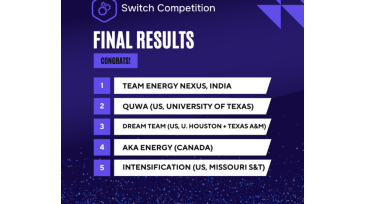
Team Energy Nexus from India took home the win and $10,000 in the fourth annual Switch Competition hosted by Texas-based nonprofit, Switch Energy Alliance.
-
Young professionals in New Zealand have unique opportunities to shape the future of the energy industry by driving innovation, influencing policy, and advancing a sustainable, low-carbon economy.
-
Nigeria's readiness for CCS and the associated opportunities for emissions reduction are analyzed in this article along with an overview of recent developments in the CCS sector, with a focus on policy and regulatory advancements and geological assessments for CO2 storage potential.
-
Explore the challenges of reducing greenhouse gas emissions to meet global climate goals by analyzing the impact of various gases including CO2, CH4, and N2O.