Technology

A data-driven look at fuel savings, battery degradation, and net CO2 impact over a 10-year ownership period.

In an industry that rarely slows down, memory can be a powerful engineering tool. Not in terms of nostalgia, but in perspective. Many of the activities that constituted daily operations have been so deeply transformed that new generations of engineers may never have experienced them before.

A smart safety helmet with physiological monitoring, gas detection, and real-time location tracking for emergencies was the winning concept at this year's SPE Students Technical Symposium and Exhibition.
-
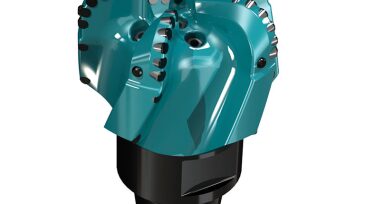
 From the field, to the customer, through engineering, CAM, and manufacturing then back to the field, each drilling bit's life is unique.
 -
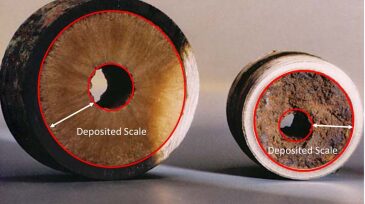
Scaling buildup inside wellbores is a serious production problem that dramatically reduces the well productivity index. This issue has a significant cost across the industry, mostly associated with loss of production or additional operations such as well intervention.
-
SPE launched a podcast series where industry leaders and subject matter experts will talk on technical topics and career-development themes.
-
Former BP CEO John Browne's new book creates links between the engineering principles that brought society where it is today with the principles needed to solve society’s most pressing problems—from climate change to privacy and data security.
-
Figuring out how far apart to place horizontal wellbores remains one of the biggest challenges facing the future of the shale revolution. One roadblock appears to be the way in which the sector has traditionally measured these distances.
-
A new technology called electric fracking, which is powered by natural gas instead of costly diesel fuel, promises to bring down fracturing costs, but building this system is much more expensive than conventional fleets.
-
A description of the role of effective reservoir management in increasing the recovery factors for unconventional reservoirs, and a review of the advances in IOR/EOR technologies for unconventionals, as performed by the Energy Industry Partnership Team at the University of Houston.
-
Field developers are making bold step-changes to form their optimization strategies on the crests of digital transformation, using massive data analytics, machine learning, cloud computing, and data-sharing strategies for oil and gas fields in all stages of development. This trend will only grow.
-
The shale sector is studying the results of a 23-well experiment in the southeastern corner of New Mexico to learn what the wider implications might be.
-
The main goal of production logging is to evaluate the well or reservoir performance. A look at several scenarios of poor well performance and recommendations for production logging tools for diagnosis.