HSE & Sustainability
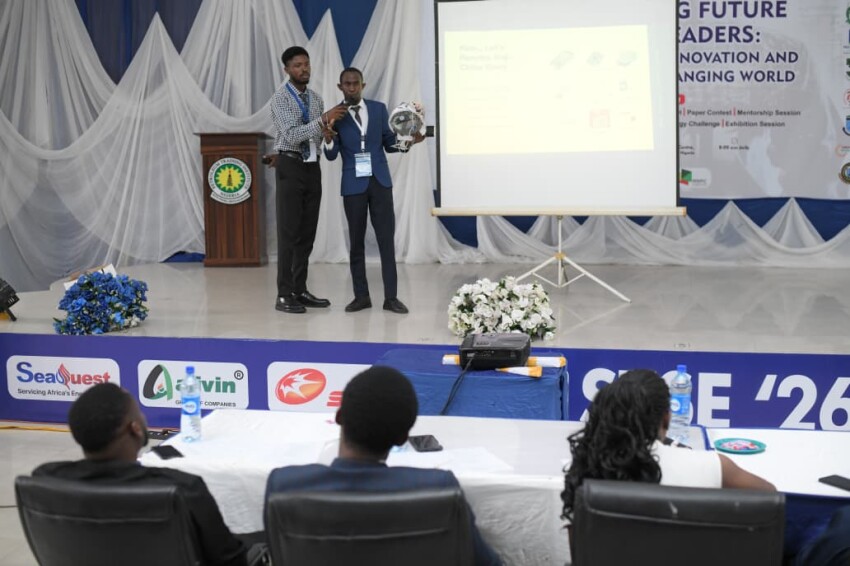
A smart safety helmet with physiological monitoring, gas detection, and real-time location tracking for emergencies was the winning concept at this year's SPE Students Technical Symposium and Exhibition.

Part two of this three-part series explores the history of 10 years, 2005 to 2014, of the UN Climate Change Conference of the Parties.

The energy transition is often portrayed as linear, but recent geopolitical tensions and market uncertainties show that the shift to a low-carbon future will be complex and shaped by multiple, interconnected pressures.
-
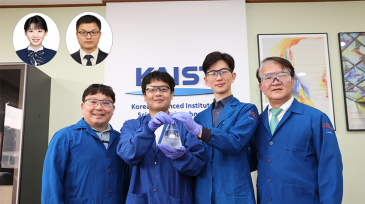
 Researchers at KAIST developed an integrated chemobiological platform that converts renewable feedstocks like glucose and glycerol into essential aromatic hydrocarbons (BTEX) using engineered E. coli strains and a solvent-integrated catalytic process, offering a sustainable alternative to petroleum-based production.
 -
The two projects under the university’s Targeted Proposal Teams program will focus on underground hydrogen and geologic storage solutions.
-
Researchers at Colorado School of Mines explore an internally deployed fiber-optic distributed acoustic sensing (DAS) method for continuous gas-pipeline monitoring, demonstrating its potential to improve leak detection, enable early intervention, and enhance overall pipeline-integrity management compared to conventional inspection techniques.
-
The curriculum covers topics such as geochemical and technological removal methods, life cycle assessments, and storage solutions.
-
Effective management of produced water in mature oil fields is essential to reducing environmental risks and operational costs, with subsurface disposal emerging as the most efficient and responsible method.
-
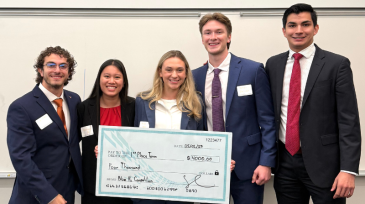
A team from UT Austin won the Blue Hydrogen Student Design Competition, where more than 200 students from three Texas universities designed sustainable hydrogen production processes.
-
The upcoming webinar will explore how oil and gas technologies are being repurposed for geothermal and renewable energy applications.
-
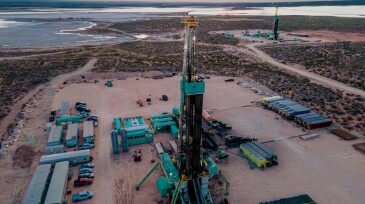
With water management poised to be the defining challenge of the next decade for the Permian Basin, companies that fail to adapt may find their production growth throttled not by a lack of oil, but by an excess of water.
-
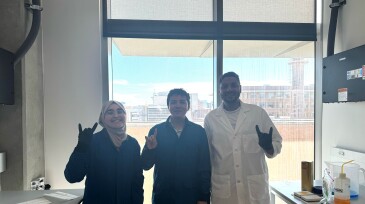
UT Austin students Nadia Mouedden and Deena Elhossary taught CO2 injection and storage to students using simple household materials during the International Day of Women and Girls in Science.
-
The trips will tour THUMS Island, SoCalGas, and the Salton Sea geothermal fields.