Data & Analytics

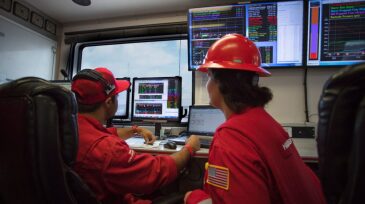
Digital drilling technologies are enabling a shift toward more predictive, efficient, and sustainable operations.

Breakthroughs in energy, similar to those seen in AI, require coordinated progress across multiple fields and the resolution of structural bottlenecks. As a result, a successful energy transition depends on integrated advances in infrastructure, policy, technology, and investment rather than isolated efforts.

The Genesis Mission is a US Department of Energy initiative that integrates AI, national labs, and cross-sector collaboration to accelerate scientific discovery, strengthen energy innovation, and enhance national security.
-
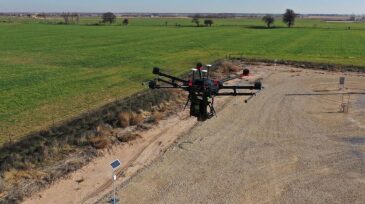
 Drones will be just one of the tools that the service company uses in its drive toward net-zero carbon emissions.
 -
The term digital oil field has become a buzzword in the oil and gas industry these days, with the mention of it bringing up pictures of computers, flashy screens, and programming to mind. In reality, the concept goes beyond these.
-
Two new centers in Bergen, Norway will lean on emerging digital technology to oversee much of the Norwegian operator’s offshore operations.
-
The international major has been playing with intelligent programs for years, but this new deal shows that it is now ready to scale those efforts up to cover hundreds of thousands of pieces of equipment.
-
The 5-year-old software startup is getting noticed by the oil and gas industry for its ability to accelerate analytics projects by taking care of all the tedious work involved with data wrangling.
-
BP has invested more than $100 million into nine different startup companies in the past 2 years—but only one of them wants to turn your brain into a piece of its software.
-
The same tools that make it fun and easy for you to see a friend's updates online are also pretty good at tying together unconnected databases holding valuable well information.
-
What do 60,000 sensors on 1,200 pieces of equipment add up to? Hopefully, hundreds of millions of dollars in savings.
-
Video games have been seen as a big waste of time for years by parents around the globe. But now, the oil and gas industry sees the underlying technology as a big time saver.
-
The pressure pumping giant turns to algorithms to get better fractures and fewer problems.