R&D/innovation

More than 400 industry leaders convened in Mumbai to explore cutting-edge technologies, digital innovation, and EOR strategies aimed at revitalizing India’s mature hydrocarbon fields and strengthening national energy security.

The agreement will focus on advancing development and use of the nation's hydrocarbon and geothermal energy resources.
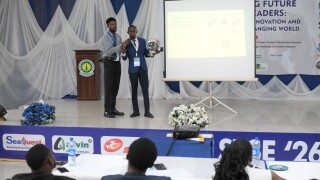
A smart safety helmet with physiological monitoring, gas detection, and real-time location tracking for emergencies was the winning concept at this year's SPE Students Technical Symposium and Exhibition.
-
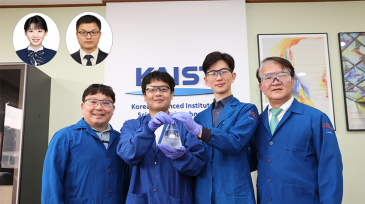
 Researchers at KAIST developed an integrated chemobiological platform that converts renewable feedstocks like glucose and glycerol into essential aromatic hydrocarbons (BTEX) using engineered E. coli strains and a solvent-integrated catalytic process, offering a sustainable alternative to petroleum-based production.
 -
The two projects under the university’s Targeted Proposal Teams program will focus on underground hydrogen and geologic storage solutions.
-
The oil and gas sector stands on the edge of a digital revolution, yet legacy systems and resistance to change continue to hold it back. I reflect on my experience in digital drilling and argue that the industry’s biggest barrier isn’t technology itself, but the culture that surrounds it.
-
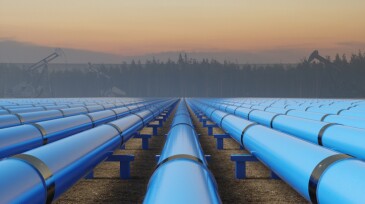
Researchers at Colorado School of Mines explore an internally deployed fiber-optic distributed acoustic sensing (DAS) method for continuous gas-pipeline monitoring, demonstrating its potential to improve leak detection, enable early intervention, and enhance overall pipeline-integrity management compared to conventional inspection techniques.
-
Early- and mid-career scholars are invited to apply for the 2026–2027 Harrington Faculty Fellows Program, which will focus on energy research.
-
Learn how scalable modeling methods help turn the complex design of CO₂ storage systems into practical solutions.
-
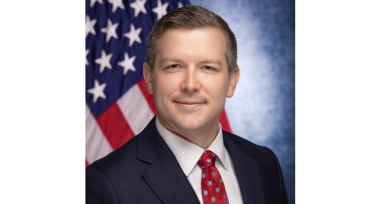
Kyle Haustveit, SPE, as been confirmed as the 16th Assistant Secretary for the US Department of Energy’s Office of Fossil Energy.
-
The universities are forming a national hub focused on advancing safe and reliable subsurface storage of energy-related fluids.
-
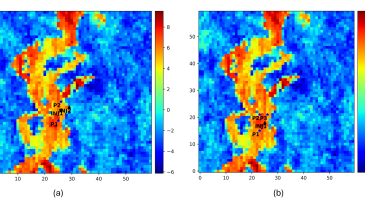
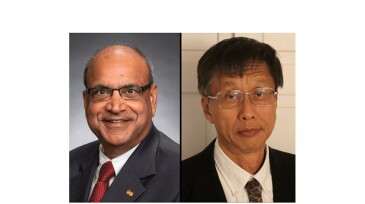
Ganesh Thakur and George K. Wong will study deepwater Gulf of Mexico reservoirs to advance reservoir simulation and statistical analysis to evaluate production strategies, compare reservoir parameters, and improve recovery estimates.
-
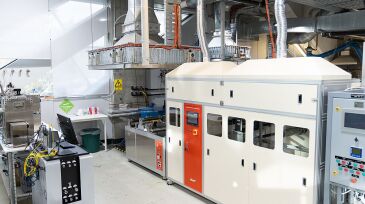
The semi-pilot system uses custom membranes and catalysts to release hydrogen from liquid organic hydrogen carriers at low temperatures, reducing energy use and costs compared with current high-temperature methods.