Testing page for app
-
 Cost and delivery of long-distance natural gas pipelines to a distant liquefaction facility at a warm-water port has become excessive, and environmental restraints have been increasing. An alternative is an offshore ice-resistant LNG port accommodating a new class of LNG transport vessels.
-
New approaches to arctic activities include a concept for an offshore ice-resistant LNG export terminal, the design of subsea pipelines, and the optimal routing for the pipelines to mitigate the unique risks in arctic regions such as ice-gouging and permafrost thaw.
-
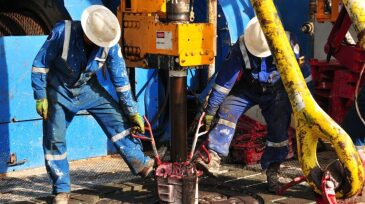
Drilling activity in US shale plays is slowing as operators encounter higher prices for labor, equipment, and services, and lower prices for the oil and gas produced.
-
Subsea Technologies' 2-in. hydraulically retractable subsea coupler is designed to optimize the engagement and disengagement of control line and large-bore fluid-containing lines in large subsea mechanical connectors. The coupler allows for greater flexibility in designing remote emergency release systems for subsea applications and enables people to be removed from s…
-
A federal appeals court is letting the Trump administration put on hold an Environmental Protection Agency methane pollution rule for oil and natural gas drilling.
-
On 16 June 2017, the Alberta Oil Sands Advisory Group released its report Recommendations on Implementation of the Oil Sands Emissions Limit Established by the Alberta Climate Leadership Plan.
-
Public interest groups and local stakeholders at a public hearing on 10 July urged the Environmental Protection Agency to continue to enforce methane regulations.
-
Technical means are not enough to protect a business from cyberthreats. That is why many companies already invest in employee cybersecurity training. There, however, complications may arise.
-
Stressed-performance testing and performance indicators are among potential subjects identified as areas of potential interest in future human-factors research.
-
Public acceptance is a major challenge for the siting of facilities. The offering of compensation to communities potentially helps to create the perception of a fairer distribution of local risks and nonlocal benefits. This may help to prevent or solve siting controversies.