

Health

With millions of wells having been drilled in the US since the beginning of the oil age, the land is pocked with old, unused wellbores. For most, repurposing is a pipe dream. Plugging is the best option.

This paper explores how artificial intelligence (AI), cognitive models, and integrated digital tools can transform readiness from periodic drills into a continuous, measurable capability.

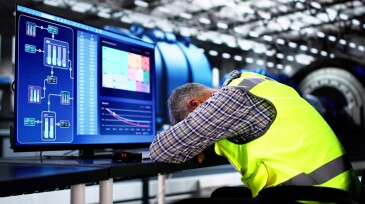
This paper presents a competency-centered, data-driven approach implemented to strengthen control-room emergency-response capability through a cloud-hosted, scenario-based virtual plant simulator.
-
 This paper describes an emergency-response system deployed on artificial islands that manages complex challenges, enhances safety protocols, and improves operational efficiency in high-risk offshore environments.
 -
This paper examines how real-time monitoring can improve both incident prevention and emergency response in the oil and gas industry. Drawing from real-world examples and case studies, it provides practical strategies for implementing this technology effectively.
-
This paper describes a risk-based self-verification process conducted through a bespoke software application.
-
This paper discusses and demonstrates the limitations of quantitative risk assessment (QRA) with respect to the usefulness of the concept in managing day-to-day and emerging risks as well as the effect of change.
-
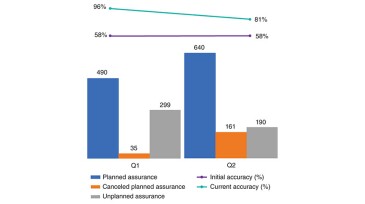
This paper describes a tool that complements predictive analytics by evaluating top health, safety, and environment risks and recommends risk-management-based assurance intervention.
-
Fawaz Bitar, BP's senior vice president for HSE and carbon, spoke at a recent health, safety, and environment conference in Aberdeen about the importance of health in the industry. Here is a transcript of his speech.
-
The report presents data from 35 participating member companies.
-
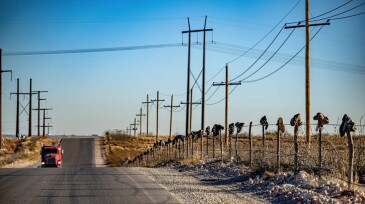
New Mexico is the second-largest oil producer in the US behind Texas. Drawing immense wealth from the Permian Basin, the state relies on a workforce—often Latino men—who are subjected to harrowing conditions that lead to death, injury, disease, and terrible tolls on mental health and family life.
-
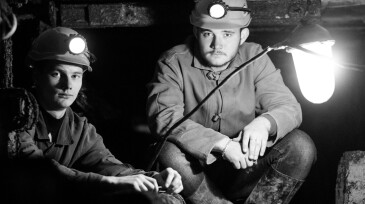
The National Institute for Occupational Safety and Health and its predecessor, the US Bureau of Mines, have significantly contributed to enhancing the safety of miners and to applying new technologies to the mining industry.
-
TechnipFMC diver Stuart Cowie shares his 17-year experience working as a saturation diver in the oil and gas industry and how to manage mental health and well-being during the often-isolating work demands.


Page 1 of 23