Testing page for app
-
 The Texas oil and gas company will trim its carbon footprint in the coming years by building on a low-carbon investment that already totals more than $10 billion.
 -
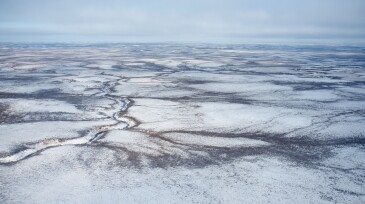
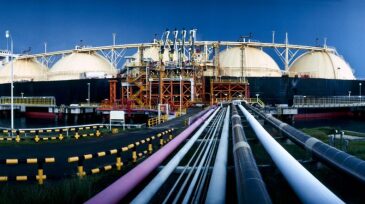
The new deal will focus on developing Arctic onshore blocks in a region where a successful LNG project already exists.
-
Shale-based associated gas production is behind the phenomenon. When oil prices do not support production, associated natural gas production also stops, with little to no consideration of natural gas prices.
-
Texas’s main oil regulator has been prohibited from waiving environmental rules and fees, measures adopted to help drillers cope with the pandemic-driven slump in crude prices.
-
The country has announced that it plans to phase out all oil extraction by 2050.
-
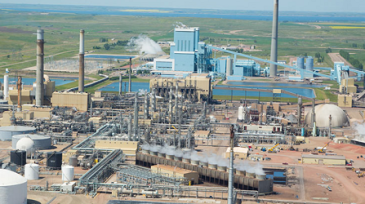
The Great Plains Synfuels Plant in North Dakota has now captured 40 million metric tons of carbon dioxide, a milestone in the synthetic natural gas production facilities’ 20-year effort to lower the impacts of energy production.
-
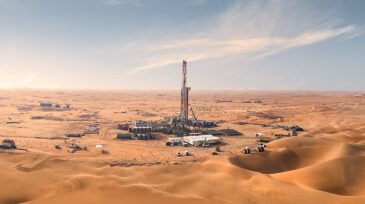
The Houston-based exploration company will work with the Abu Dhabi National Oil Company if it strikes big in the vast onshore block.
-
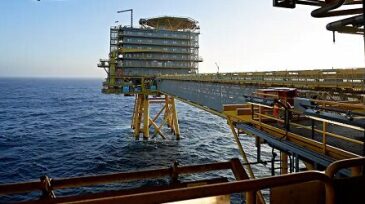
The storage of CO2 under the seabed may add millions of tons per year to global carbon-capture totals. The finance and investment sectors are recognizing the value these projects may bring to portfolios aligned with achieving climate-change goals
-
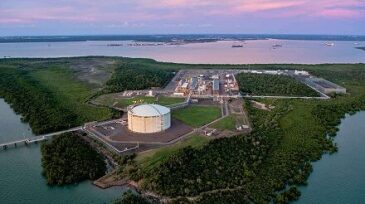
The agreement takes 80% of Santos’ share of expected gas from Barossa annually for 10 years.
-
Fugro has opened a new remote operations center in Abu Dhabi that is already handling remote and autonomous projects in the Middle East and India.