Testing page for app
-
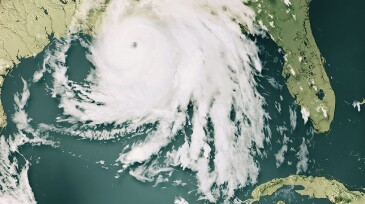
 Hurricane prognosticators continue to believe the 2024 Atlantic storm season will be more active than normal, even after a somewhat slow start. In any case, the oil field is ready.
 -
Academic expertise, operational experience, and knowledge gathered through trial-and-error analysis must be meshed in order to achieve the optimizations that are increasingly needed with the depletions we experience in various fields globally.
-
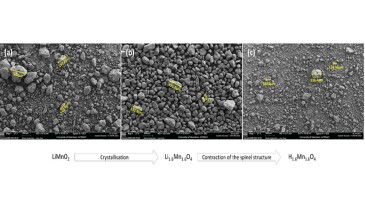
This paper presents an evaluation of the lithium potential of assets in the North Sea.
-
In an era marked by a growing emphasis on sustainability, industries are increasingly adopting innovative technologies. Three notable advancements are the extraction of lithium from produced water, using rhamnolipids as biosurfactants, and applying graphene nanoplatelets as scale inhibitors.
-
Offshore wind power involves generating electricity from wind farms located at sea. Because wind speeds are generally higher offshore than on land, these farms produce more electricity for the same amount of installed capacity. Both wind and solar energy are renewable and do not emit carbon, which helps reduce dependence on fossil fuels such as oil and gas.
-
This paper presents a multidisciplinary view of the evolution of a development project for the central area of Sururu and the method applied to address challenges and propose solutions.
-
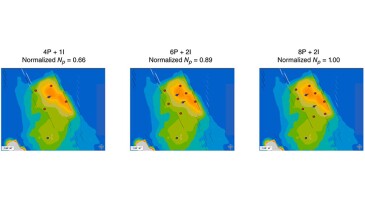
Surveillance technologies have undergone a revolution, reshaping how facilities, wells, and reservoirs are monitored. These advancements not only have increased the scale at which these technologies are deployed but also have led to an unprecedented influx of data. The sheer volume of data, however, poses a significant challenge to traditional analytical methods.
-
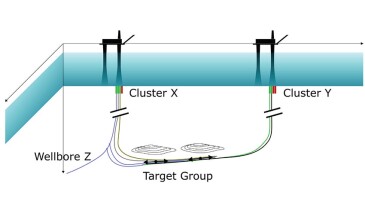
This paper proposes a method to radically revise the well-path-generation process to reach the vision of planning a well in one day with high quality, relying on the collection of experience-based constraints from each discipline to generate possible alternatives.
-
This study aims to optimize the use of rhamnolipid biosurfactants for enhancing the bioremediation of hydrocarbon-contaminated soil.
-
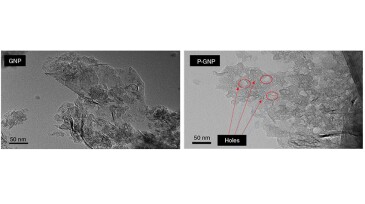
This study proposes graphene nanoplatelets as a preflush system to extend the lifetime of a conventional scale-inhibitor squeeze treatment.