Testing page for app
-
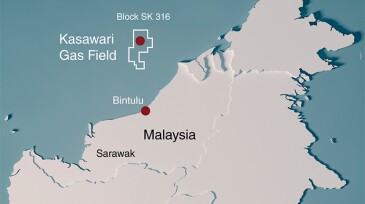
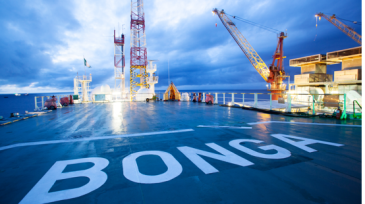
 The contractor will be responsible for both pipeline and platform installation related to Petronas’ ambitious CCS project offshore Sarawak.
 -
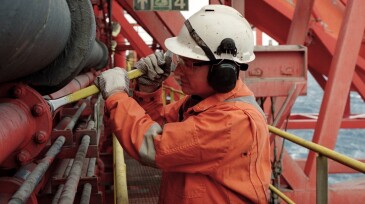
Offshore oil and gas companies should expect continued scrutiny of their health and safety practices in 2024 despite a recent report suggesting that the industry has never been safer to work in, experts say.
-
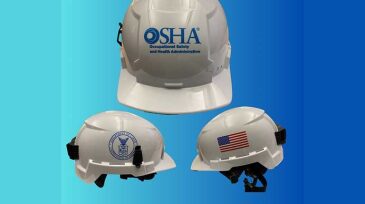
As industries, including the oil and gas industry, strive to enhance worker safety, more advanced and protective modern head protection, safety helmets, are replacing traditional hard hats.
-
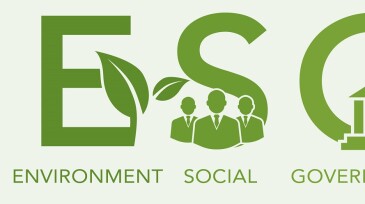
As the industry navigates a transition to more sustainable practices, environment, social, and governance principles serve as a compass for aligning business operations with the broader expectations of society and the investment community.
-
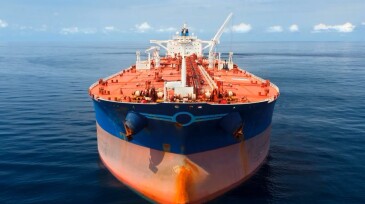
Houthi attacks in the Red Sea threaten to raise prices of consumer goods in Europe.
-
Oil and gas is one of the most hazardous industries to work in. It is also an industry undergoing a revolutionary digital transformation. With changes come challenges and new opportunities. This paper looks at the top digital safety trends that are taking place within the industry.
-
In a sale agreement valued at $2.4 billion, Shell will move on from its Niger Delta upstream business which it has operated since 1979.
-
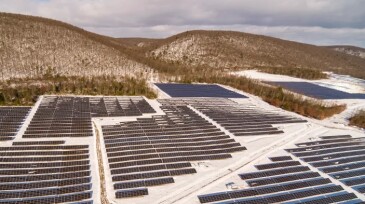
Solar and natural gas surged last year in the US, while wind stumbled.
-
By incorporating AI-powered solutions, companies can tailor wellness plans to cater to the diverse needs of their workforce, fostering a more inclusive and supportive environment.
-
Investigation into cybermonitoring of industrial control and operating systems used to detect cyberattacks and discern different types of attacks, with the intent to develop risk-based cybersecurity solutions.