Testing page for app
-
 By turning its back on Russian oil and gas, will Europe speed up or slow down its energy transition, and what will be the impact on global climate change?
 -
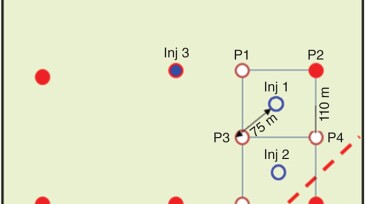
This paper summarizes the performance of a polymerflooding pilot conducted in an unconsolidated sandstone reservoir in Oman.
-
-
The big oil producers are balancing the chasing of more production with delivering dividends to shareholders. So far, the scale is tipping in favor of shareholders. But it’s not that cut and dried. Simplifying the complexity of the global market shines, at best, a narrow beam on some of the factors affecting production.
-
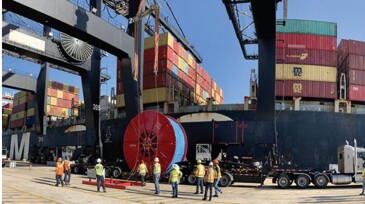
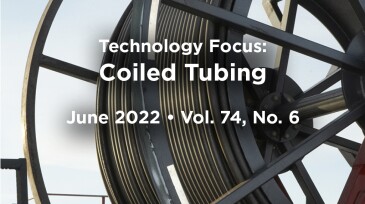
This paper describes a new concept for a reel mover used for coiled tubing deployment and operation.
-
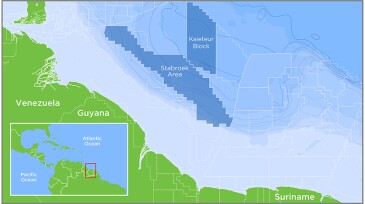
ExxonMobil and its partners now believe they have discovered 11 billion BOE.
-
In this year’s feature are two case histories and an equipment-development paper, all of which are, by accident rather than design, from operations undertaken in the Gulf States. Each, in its own way, exemplifies the engineering decisions and balances that must be weighed to provide the best solution within limiting parameters and the considerable effort this may take…
-
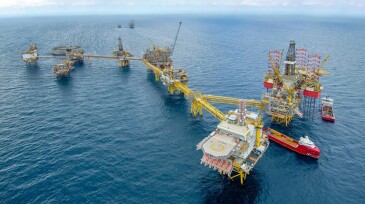
The Norwegian government grants a 20-year license extension for Ekofisk.
-
Two new wells will add 20,000 BOED to the field’s overall production volumes.
-
A total of 59 blocks were awarded to 13 companies.