Testing page for app
-
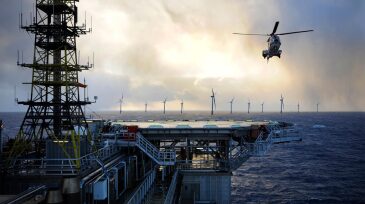
 Equinor and the Snorre and Gullfaks partners have made a final investment decision for the Hywind Tampen offshore wind farm development. By reducing the use of gas turbines, the project helps cut CO2 emissions by more than 200,000 tonnes/year.
-
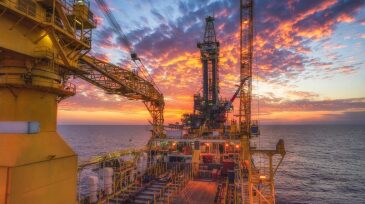
The Esox-1 well encountered 58 m of high-quality oil-bearing Miocene reservoirs and will be tied back to Tubular Bells production facilities.
-
Norwegian offshore vessel operator Golden Energy Offshore Services has agreed to a contract extension with Wintershall for its Energy Swan platform supply vessel (PSV). The company chartered the PSV in 2013 for in a four-year deal that included an option for an additional year. The contract was set to expire on 30 November, but now it will continue for an additional 8…
-
New Mexico released data on excess greenhouse emissions from oil and gas operations to keep the public informed of the problem, as the state continues to develop stricter policies to regulate air pollution from the industry and other sources.
-
This year’s Texas Department of Transportation “Be Safe. Drive Smart” campaign will focus on safety especially in high-traffic oil and gas production areas.
-
The venture arm of the oil giant has put $5 million toward the parent company of Finite Carbon, a US-based company working on sustainable forest management to offset carbon emissions.
-
The Orca-1 and Marsouin-1 wells have derisked up to 50 Tcf of gas initially in place from the Cenomanian and Albian plays in the BirAllah area, more than sufficient to support a world-scale LNG project, partner Kosmos Energy said.
-
Colorado has released a long-awaited 380-page report on the health effects of oil and gas operations in the state. The science is complicated, though, as are the unfolding responses from state regulators and oil and gas companies.
-
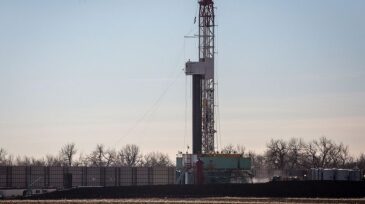
Colorado officials declared they will toughen their oversight of oil and gas drilling and hydraulic fracturing sites following the release of a multiyear scientific study that found industry operations may expose residents to unhealthy levels of benzene and other chemicals.
-
Offshore facilities are typically powered from onsite gas turbines but efforts to become “carbon efficient” are pushing oil and gas companies toward an onshore alternative.