Testing page for app
-
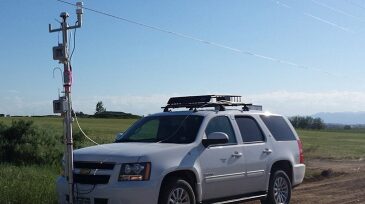
 Mobile plume tracking, led by Colorado State University air pollution experts, is a key technology in the city of Broomfield’s ongoing Air Quality Testing Program. And it’s just one aspect of a 3-year, $1.7 million contract awarded by Broomfield last year.
-
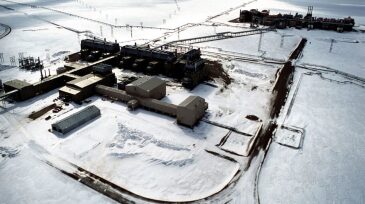
Snow depths on Alaska’s North Slope have thinned this year, the University of Alaska Fairbanks said in a study, creating a possible obstacle for exploration in part of the Arctic National Wildlife Refuge thought to harbor more than 7 billion bbl of oil.
-
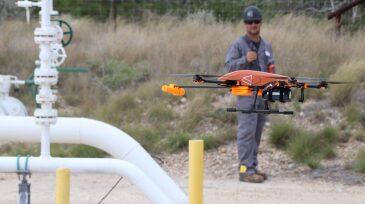
The pilot used sensor technology originally deployed by NASA for the Mars Curiosity Rover to collect methane emissions data live-streamed from a drone. BP said it plans to deploy the technology to all of its North Sea assets, including ETAP and Glen Lyon, in 2020.
-
Maria Moraeus Hanssen, COO and Deputy CEO of Wintershall Dea, will leave the company on 31 December to focus on other opportunities. Until that time, she will continue in her present role. She had previously served as CEO of DEA prior to its merger with WIntershall. Before joining DEA, she had worked as CEO of Engie E&P International and as head of the E&P business un…
-
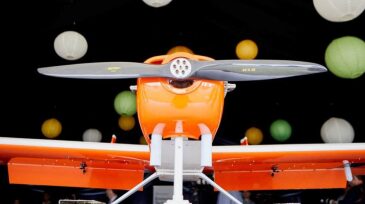
Equinor Technology Ventures and OGCI Climate Investments have agreed to back the tech developer, which integrates its SeekIR miniature gas sensors onto drones to detect, localize, and quantify carbon emissions.
-
Blending smart-proxy models with data-driven models to create hybrid models is not always the best idea for physics- and engineering-related applications.
-
Equinor is working on a natural language processing tool that could combine data sources and help planners anticipate the issues that affect onsite operational safety.
-
ExxonMobil confirmed an exclusivity agreement with Var Energi for negotiations of a sale that could reach $4 billion, according to Reuters. If it goes through, the deal would make Var Energi the second-largest producer on the Norwegian Continental Shelf.
-
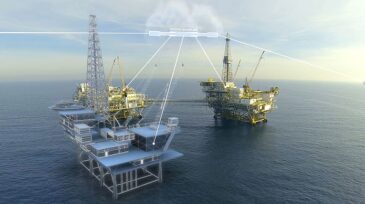
The company has proposed the Probabilistic Digital Twin to close the gap between digital twins—used increasingly by operators to manage the performance of their assets—and risk analysis still largely conducted manually before assets enter service.
-
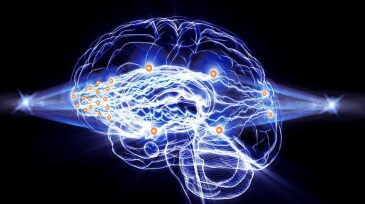
Even the most powerful computers are still no match for the human brain when it comes to pattern recognition, risk management, and other similarly complex tasks. A new approach, however, could enable parallel computation with light, simulating the way neurons respond in the human brain.