Testing page for app
-
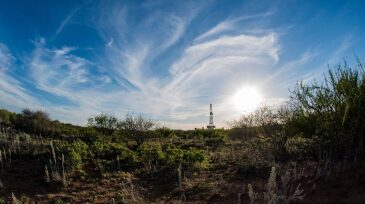
 A report from IHS Markit forecasts continued strong production growth in the Permian over the next 5 years despite the well-documented challenges that have recently emerged in the basin.
-
Since 9/11, no new rules or regulations have been promulgated to address pipeline or liquified natural gas facility security. Although the Transportation Security Administration recently released an updated version of its "Pipeline Security Guidelines," those guidelines remain advisory.
-
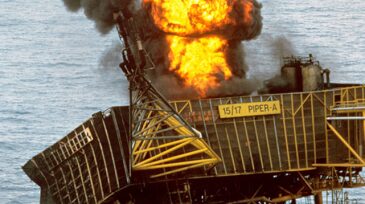
The major accident of 6 July 1988, when Britain’s Piper Alpha facility caught fire and exploded, remains one of the worst imaginable scenarios for everyone working in and with the petroleum industry. Its lessons are still relevant.
-
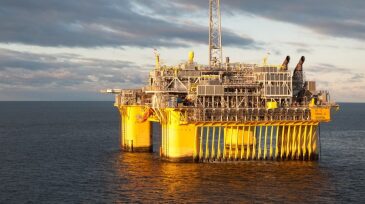
By transitioning from gas turbines to land-based electrical power for various platforms, the company hopes to reduce carbon dioxide emissions by more than 600,000 tonnes/year.
-
To better protect workers exposed to respirable crystalline silica, OSHA has issued two new standards: one for construction and another for general industry and maritime. OSHA will begin enforcing most provisions of the standard for general industry and maritime on 23 June.
-
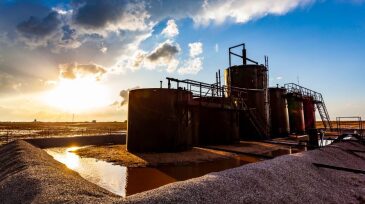
As oil production grows by millions of barrels in the Permian, so does the water. A report from Wood Mackenzie offers an estimate of the cost and who will be affected most.
-
Acquiring data from an abandoned subsea well has been done before, but never quite like this.
-
The offshore gas pipeline will connect the gas markets of Finland and Estonia, enabling integration with the European Union’s common energy market
-
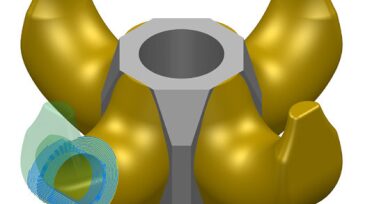
The hollow hook will weigh close to 1000 kg and have a safe working load of 325 metric tons.
-
Broadening training to include nontechnical skills can enhance safety and operational performance in a team environment, particularly when decisions crucial to preventing or mitigating a major incident must be taken against the background of an environment that is constantly changing.