Testing page for app
-
 Houston-based startup Cemvita Factory is launching a project to produce near-zero-carbon gold hydrogen by injecting oil-eating microbes into depleted crude reservoirs.
 -
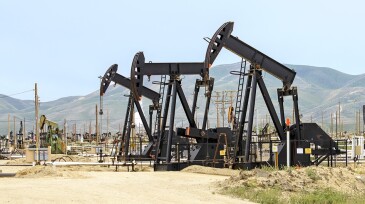
Oil production is reaching new levels in the Permian Basin and it has created some uncertainty about where all the associated gas will go.
-
Operator CGX said offshore construction is expected to begin soon to serve the oil and gas industry and others.
-
The new pressure-pumping company says that its new natural-gas-powered fleet is the most powerful of its kind in the US market and reduces the footprint on well pads by 70% vs. the average diesel fleet.
-
Vessel will have Aker-made modules installed in Norway where final outfitting and commissioning will take place.
-
Dozens of startups continue to get tens of millions in venture funding to make chips for AI in mobile and other embedded computing uses. The race shows no sign of slowing down.
-
ESG accounting is a mess. Competing initiatives mean there’s no uniform set of standards for measuring a company’s progress on sustainability. The good news is that a new initiative, the International Sustainability Standards Board, promises to do for sustainability reporting what the International Accounting Standards Board does for financial reporting—develop standa…
-
With oil prices on the rise and calls for an energy transition growing louder, it's easy to get mixed signals about the future of the oil and gas business. SPE's TD for Production & Facilities Bob Pearson outlines the way forward for the discipline.
-
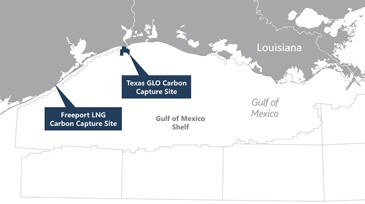
The new project will use EnLink’s existing pipeline infrastructure and Talos’ newly acquired 26,000-acre sequestration area.
-
Gazprom Neft and a cloud computing joint venture involving Abu Dhabi National Oil Company have signed an agreement to commercialize jointly developed digital solutions in Russia and the Middle East.