

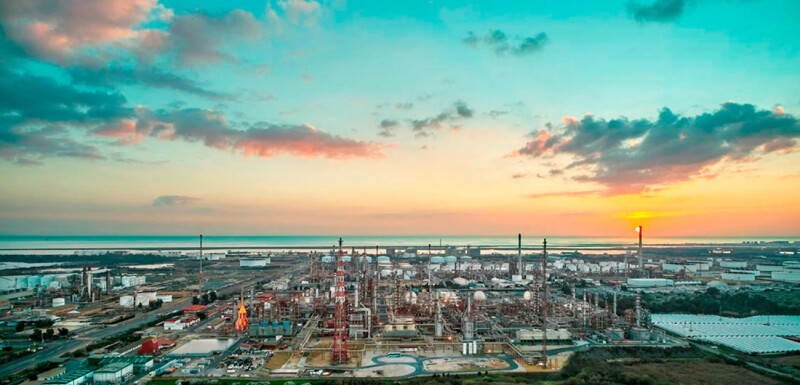
Spanish energy company Moeve has approved the final investment decision to begin construction of the Andalusian Green Hydrogen Valley. The first phase, known as Onuba, is planned to be the largest green hydrogen plant in Southern Europe, with 300 MW of capacity and the option to expand by 100 MW. Construction is scheduled to begin in the coming weeks. The additional 100 MW is subject to obtaining additional grid capacity and board approval.
“This decision to launch Southern Europe’s largest green hydrogen plant marks a defining step in Moeve’s Positive Motion transformation strategy,” said Maarten Wetselaar, Moeve’s CEO. “Onuba will anchor a world-class hub for green molecules in Spain, supplying renewable fuels to hard-to-abate sectors while reinforcing Europe’s energy and industrial resilience. By partnering with other leaders in renewable energy, we are creating an ecosystem to build at scale.”
Onuba entails a total global investment of more than $1.2 billion, including associated infrastructure and the development of a self-consumption photovoltaic plant. The project, led by Moeve with a majority stake (51%), includes participation from Masdar, a global clean energy company, and Enalter, which is majority owned by Enagás Renovable, a company working on the development of renewable gases.
“As an early mover in this sector, we have long recognized green hydrogen’s role in decarbonizing hard-to-abate sectors,” said Mohamed Jameel Al Ramahi, Masdar’s CEO. “This partnership, under the leadership of Moeve, reflects our strategy of advancing commercially viable green hydrogen projects in markets where demand is clear. We are also pleased to be advancing our support for Spain’s clean energy ambitions.”
The initiative has been designated as a Project of Common European Interest by the European Commission and has received nearly $354 million from the government of Spain under the Recovery, Transformation, and Resilience Plan, financed by the European Union’s NextGenerationEU program, through the Hydrogen Valleys scheme, for the development of 400 MW of the Andalusian Green Hydrogen Valley.
“The Onuba project represents a significant step forward for the development of green hydrogen in Spain,” said Antón Martínez, Enagás Renovable’s CEO. “At Enagás Renovable, we continue to support projects that drive energy independence, foster new industrial opportunities, and contribute to job creation. The Andalusian Green Hydrogen Valley is a clear example of how collaboration between companies and institutions can accelerate decarbonization while generating long-term economic and social value.”
At 300 MW, Onuba is designed to have the capacity to produce approximately 45,000 tonnes of green hydrogen per year, avoiding about 250,000 tonnes of CO2 annually. The green hydrogen from the plant is planned for use in aviation, road, and marine transport fuels, in addition to supplying energy to decarbonize the chemical and fertilizer industries.