climate change
-
 Equinor has agreed to align its business model with the goals of the 2015 Paris climate accord and will review its corporate lobbying policy and the carbon intensity of its products, the company said. It will also link executive pay to climate-related targets.
 -
The energy transition is underway, and the push to reduce carbon emissions will be at the forefront of industry discussion in the coming years. What role will oil and gas play in the changing landscape? How diversified can our fuel mix be while still meeting growing energy demand?
-
Global climate concerns, amplified in the public consciousness by a steady stream of violent weather events such as hurricanes and California wildfires, are generating a new set of realities for the energy industry.
-
Royal Dutch Shell is changing its tune on carbon, saying it will tie executive pay to shorter-term reductions in emissions.
-
A dire government report on the far-reaching impact of climate change could increase pressure on the energy industry to curb greenhouse gas emissions and political leaders to act more decisively to reduce the use of fossil fuels, analysts said.
-
Climate change involves a combination of factors that make it hard for people to get motivated.
-
The Vatican was host to executives of the world’s top oil companies for a conference on climate change and the transition away from fossil fuels on 9 June.
-
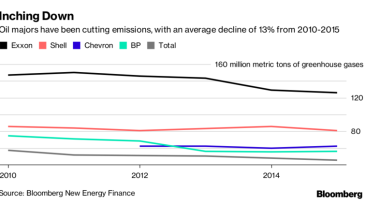
It’s no secret that oil majors are among the biggest corporate emitters of pollution. What may be surprising is that they’re reducing their greenhouse-gas footprints every year, actively participating in a trend that’s swept up most corporate behemoths.
-
On 16 June 2017, the Alberta Oil Sands Advisory Group released its report Recommendations on Implementation of the Oil Sands Emissions Limit Established by the Alberta Climate Leadership Plan.
-
Royal Dutch Shell welcomes the final recommendations set out in a report published on 29 June by the Task Force on Climate-Related Financial Disclosures.