DNV
-
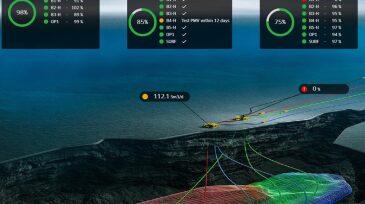
 The service company and independent verifier are aiming to develop a methodology for qualifying the integrity of digital twins, which they say will help level the industry’s varying technical definitions of, and expectations towards, the technology.
 -
The company has proposed the Probabilistic Digital Twin to close the gap between digital twins—used increasingly by operators to manage the performance of their assets—and risk analysis still largely conducted manually before assets enter service.
-
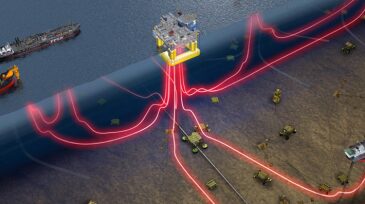
Concern has been growing in the oil and gas industry about the high frequency of mooring line failures. While physical tension sensors can be difficult and costly to maintain, machine learning has shown to be a more-accurate and less-costly method for structural integrity assessment.
-
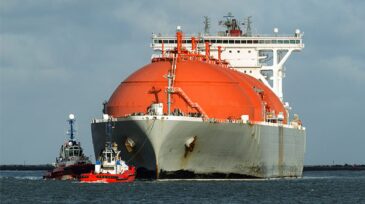
Exponential growth in LNG tank capacity, fueled by the introduction of LNG fuel in shipping sectors, indicates a possible shift in the fuel mix.
-
Vast amounts of offshore and onshore reliability data will be made available as the project by the Norwegian Petroleum Directorate provides access to its now-digital data in an effort to improve accessibility and efficiency for oil and gas industry reliability data.
-
Digitalization leads oil and gas research and development investment priorities, according to DNV’s 2019 annual outlook.
-
Tons of resources are devoted to assure the integrity of facility piping systems, but are the generally accepted methods of inspecting these systems the best way? Complex systems with above- and underground piping sections may require a combination of direct assessment and elements of an API code.
-
Industry confidence is on the rise, and so is capital spending, according to DNV’s 2019 annual outlook.
-
Testing will be performed at DNV’s labs in Columbus, Ohio, and Norway and overseen by experts in fatigue of subsea equipment, bolting connections, cathodic protection, and instrumented tests.
-
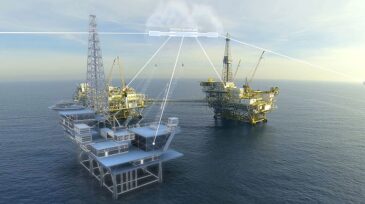
Machine learning and artificial intelligence technology offer offshore operators the chance to automate high-cost, error-prone tasks to avoid the effects of inconsistency and errors in analysis, improving efficiencies and safety.