hydraulic fracturing
-
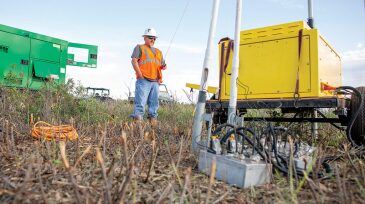
 A 3-year study of air quality, soils, groundwater, and waterways found few to no effects as a result of hydraulic fracturing operations in Surat Basin coal seam formations.
 -
Shale producers are pulling completions crews out of the field to respond to the recent price crash, but the contraction has only begun.
-
In this episode, we discuss some of the latest research and emerging techniques that were shared at the industry’s leading hydraulic fracturing gathering earlier this year.
-
The most read stories reflect interest in the digital transformation, the energy transition, and shale operations.
-
The types of advancements made in real-time drilling data acquisition and processing are now on the doorstep of the North American completions sector. Technology developers are banding together under the umbrella of “coopetition” in a bid to change the way producers fracture tight reservoirs.
-
Not all friction reducers are created equal. With dozens of varieties on the market, industry research suggests that oil and gas companies be choosy.
-
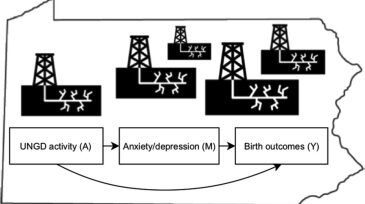
A new retrospective cohort study has associated hydraulic fracturing sites with antenatal mental health issues such as anxiety and depression.
-
First developed as a proprietary system by a large Permian Basin operator, this hydraulic fracturing schedule exchange will be run by a data company and opened up to the entire North American shale sector.
-
After a long cooling off period, this dry-gas shale play is once again red hot.
-
The agency updated its methodology and production volume estimates to factor increasing production from new, emerging plays as well as older plays that have rebounded thanks to drilling advancements.