methane
-
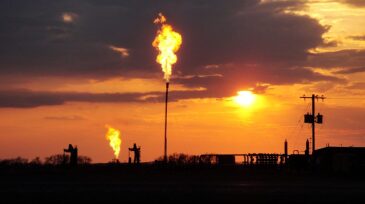
 Instead of burning money, why not make electricity? This is the big pitch being made by a growing number of technology companies who see green every time they see a red-hot flare burning associated gas.
 -
Remote sensing technologies can be applied for a wide range of gas-leak flow rates in three main cases—major leaks in crisis management, medium-size leaks in safety monitoring, and small leaks in environmental monitoring.
-
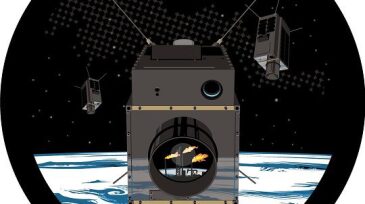
The signed framework agreement would have GHGSat use its satellite-based sensors to monitor greenhouse gases coming from select Shell facilities.
-
Oil and gas producers might have been expected to welcome a decision to loosen regulations affecting their business. But, their reaction to the Trump administration’s move to roll back methane-emissions rules revealed at least tactical divisions on climate policy.
-
An EPA plan would end oversight of methane leaks at oil wells, a move that risks undermining the climate sales pitch for natural gas.
-
More than 60 producers participate in the program designed to reduce wellsite emissions.
-
Natural-gas production in the United States has increased 46% since 2006, but there has been no significant increase of total US methane emissions and only a modest increase from oil and gas activity, according to a new NOAA study.
-
The deployment and adoption of digital technologies across the oil and gas value chain could help scale the effect of the industry’s methane-reduction efforts, finds a new report.
-
A new study offers answers to questions that have puzzled policymakers, researchers,and regulatory agencies for decades: How much methane is being emitted from natural gas operations across the US? And why have different estimation methods seemed to disagree?
-
When methane is found in water wells near an unconventional well, fingers point to facturing as the liklely suspect. But a study of wells in the Utica Shale named other sources.