net zero
-
 Despite the global downturn, the long-term transition to net zero presents a major opportunity to create new multibillion industries based around the North Sea. Cross-sector collaboration and major state/private sector intervention, together with strong leadership, will be key.
 -
World energy is at a “pivotal moment,” says BP CEO in annual statistical review, which reveals contrasts, challenges in energy consumption, production, and emissions.
-
The UK’s offshore oil and gas industry has committed to halving operational emissions in the next decade, confirming its pathway to becoming a net-zero emissions basin by 2050.
-
Write-offs include billions for early-exploration-stage projects that the company will now cut.
-
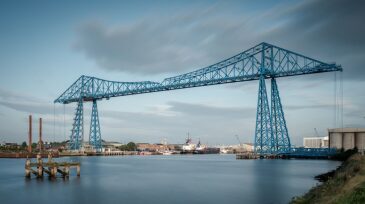
BP, ENI, Equinor, Shell and Total to develop Net Zero Teesside Project. The project aims to capture 6 mtpa of CO2 emissions.
-
BP says it is firmly committed to achieving the ambitious target of net-zero greenhouse gas emissions over the next 30 years—even if that means producing less oil and gas.
-
Deirdre Michie, chief executive for OGUK, and David Clark, Lloyd’s Register’s energy director, discuss how OGUK’s Roadmap 2035 is being delivered to help achieve net zero greenhouse-gas emissions and what is required with regard to policy, people, and technology.
-
The company has launched new climate ambitions to reduce the absolute greenhouse gas emissions from its operated offshore fields and onshore plants in Norway by 40% by 2030, 70% by 2040, and to near zero by 2050.
-
Rapid scale-up of CCUS projects is critical to achieving net-zero carbon emissions by 2050.
-
The 100-year-old service company has joined the effort to achieve net-zero carbon emissions over the next 30 years. The move follows similar companywide efforts by BP and Shell.