offshore
-
 The latest example of the offshore sector's march toward automated wellbore construction will take shape later this year in the North Sea.
 -
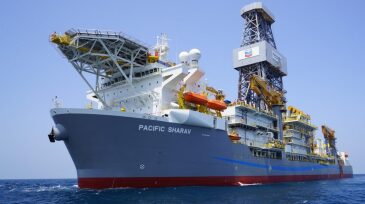
The French major is racking up barrels of deepwater production as part of its large-scale West African push.
-
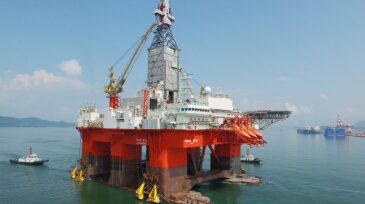
Chevron, ConocoPhillips, Equinor, Shell, and Total are among nine firms looking to explore the Pearl River Mouth Basin.
-
The oilfield services sector showed steady revenue growth in 2018 thanks, in part, to increased project sanctioning. With the oil price falling $20 in the past 2 months, however, the future may be murkier than expected.
-
The small Gulf-nation is expanding its upstream portfolio to include some of the hottest exploration areas.
-
Financially healthier than in years past, operators are prepared to stave off the negative impacts of volatile oil markets in 2019 and advance their exploration and development programs.
-
The Pluma-1 discovery could turn the southeast portion of Stabroek Block off Guyana "into a major new development area," the company says.
-
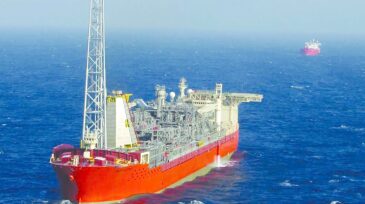
A shut-in subsea flowline is believed to be the source of the spill on Husky Energy’s SeaRose FPSO offshore Newfoundland and Labrador. The spill is believed to be the largest in the history of the Canadian province.
-
While US onshore still holds an edge, international oil companies are finding attractive options for diversifying their portfolios, mixing onshore with offshore conventional fields, where finding and development costs are down , and the time it takes to bring them on line.
-
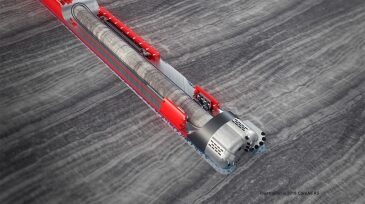
Coring is essential to offshore exploration programs—but sometimes cores are taken from the wrong formation or return to surface in poor condition. One firm thinks it can solve these costly issues with a first-of-a-kind coring device that uses logging instruments that add accuracy and integrity.