oilfield services
-
 Cost inflation and volatile commodity prices pose threats to sustained financial improvements.
 -
The three largest service companies are optimistic about the rest of 2019.
-
The decision may alleviate some of the pressures oil and gas producers faced in the wake of their imposition last year. Canada and Mexico made up a combined 20% of US imports of oil country tubular goods in 2017.
-
Slumping oil prices may throw a wrench into a positive outlook for the global oilfield services and equipment industry. Even if prices rebound, complications in the US fracturing market—and elsewhere—are expected to persist.
-
With big shale mergers dominating the headlines, some of the industry’s most influential financial players gathered to discuss what’s driving the shift in operational and fiscal priorities.
-
From the highest courts of the US judicial branch to the C-suite, contests involving patents have recently come to the fore in the innovation hungry US oilfield services industry, even as filings and litigation have declined in recent years.
-
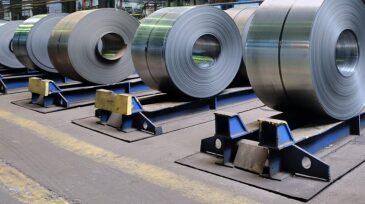
How will a US steel tariff affect the oil and gas supply chain? Industry criticism points to a noticeable effect on construction expenditure and jobs, but where will the pain be most felt?
-
Kreuz Subsea mobilized the Kreuz Challenger, a diving support vessel, as part of its 7-year contract with Brunei Shell Petroleum Company. The contract runs until 2022 and includes inspection, repair, and maintenance services to be carried out on offshore oil and gas structures.
-
Oil prices have recovered somewhat and operators are making money again. So why haven’t the service companies been invited to the party?
-
A rise in oil prices close to 3-year highs should further stimulate a recovering oilfield services and equipment sector, despite lower than expected late-2017 activity in US shale.