security
-
 There are two principles that should guide efforts to rebuild Ukraine’s energy system: ensuring energy security and independence and deepening the connection and economic relationship between Ukraine and the European Union. To accomplish both, Ukraine should develop its potential renewable energy resources.
 -
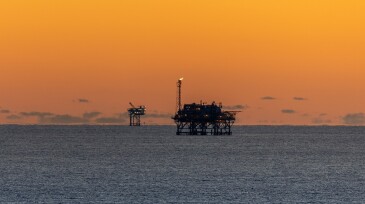
A network of more than 1,600 offshore facilities produces a significant portion of US domestic oil and gas. The facilities, which rely on technology to remotely monitor and control equipment, face a growing risk of cyberattacks.
-
This research addresses the bottlenecks experienced in supply-chain management (SCM) in an African hydrocarbon company. These bottlenecks slow down processes and make the procedures tedious, leading to operational inefficiencies. This paper discusses the security of the SCM data and the overall automation of the procurement value chain, providing transparency to the s…
-
The largest pipelines connecting Russia and Europe appear to have been destroyed on the same day.
-
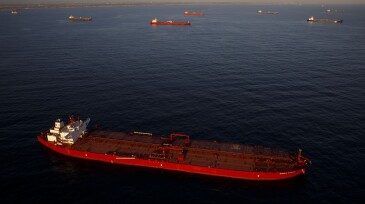
An oil supertanker that Nigeria tried to seize has been stuck off the coast of nearby Equatorial Guinea for more than 10 days, where it was impounded by local authorities.
-
Companies now have 24 hours to report hacks and are poised to get more flexibility to design their defenses.
-
Eighteen energy corporations have agreed to cooperate to strengthen infrastructure across the industry ecosystem. The pledge was announced during the World Economic Forum's 2022 annual meeting.
-
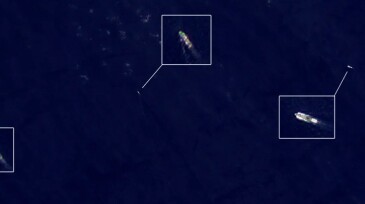
In three separate incidents over the past 2 months, Chinese law enforcement vessels have challenged marine research and hydrocarbon exploration activities within the Philippines’ exclusive economic zone in the South China Sea.
-
DNV’s report reveals that energy professionals believe cyberattacks on the industry are likely to cause harm to life, property, and the environment in the next 2 years but less than half of them believe that the security of their operational technologies is as robust as that of their information technology.
-
ExxonMobil has declared force majeure on its Sakhalin-1 operations in the Russian Far East as risk-averse shippers fearing sanctions refuse to transport Sakhalin crude and production starts to fall.