Business/economics
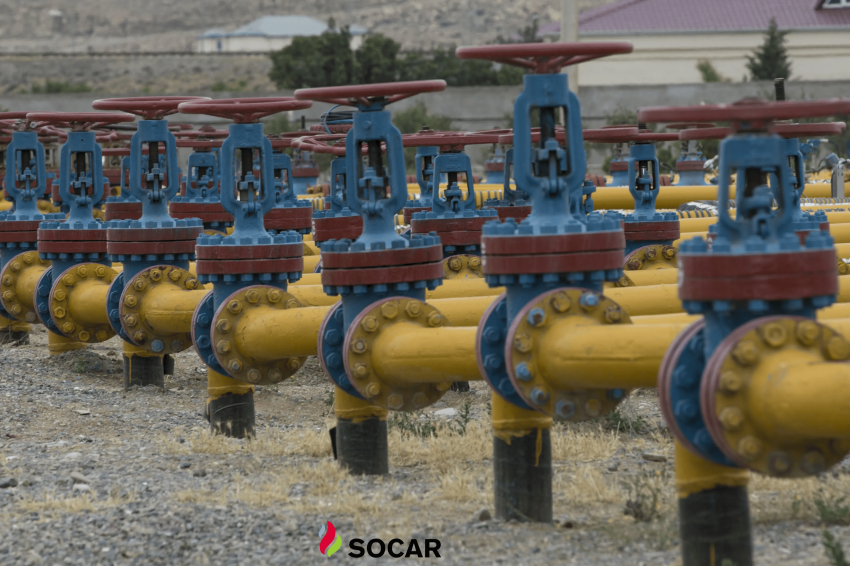
After a decade and a half of declining production, Uzbekistan, ranked 15th worldwide in gas output, has been seeking foreign partners to revive and reverse the fortunes of its oil and gas industry.

While often associated with smaller discoveries, subsea tiebacks are playing a growing role in contributing to the broader energy mix.

The Houston-based enhanced geothermal developer scored $1.9 billion in an initial public offering, positioning it to expand projects in Utah and Nevada.
-
 BP says it is firmly committed to achieving the ambitious target of net-zero greenhouse gas emissions over the next 30 years—even if that means producing less oil and gas.
 -
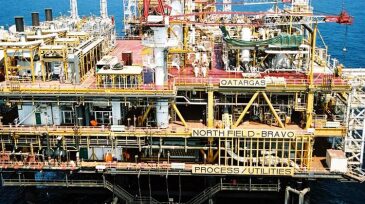
The LNG will come from the offshore Qatargas 4 project in the North Field, a joint venture between Qatar Petroleum and Shell.
-
Six American oil executives under house arrest in Venezuela were rounded up by police hours after President Donald Trump met Venezuelan President Nicolás Maduro's chief opponent at the White House, according to family members of the men.
-
The unseasonably warm weather in the northern hemisphere and the rise of the global supply levels has resulted in record-low LNG prices. Adding to that, the coronavirus epidemic in China has reduced business and industrial activity, with January’s LNG imports dropping by about 10% year on year.
-
Will digital transformation continue to drive business impact beyond the hype? This interview with Ken Medlock, senior director of the Center for Energy Studies at Rice University, offers a perspective focused on the greater forces shaping the digital transformation trend.
-
The company's industrial services business provides integrity and fabric maintenance for assets in the offshore oil and gas, process energy, marine, and infrastructure sectors across the UK and Ireland.
-
Oil Plus Ltd has been awarded contracts in excess of $5 million as it enters 2020.
-
Alta Mesa Resources is not the biggest shale startup to go bankrupt, but was its early death rooted in petroleum engineering or financial engineering?
-
Wood Mackenzie expects the ongoing outbreak and disruption to the world’s second largest economy to be a one-off event, yet it could remove at least 500,000 B/D of crude demand in the short term.
-
What will 2020 look like for the oil and gas, energy, and petrochemical markets? Here are 10 observations from ADI Analytics that demonstrate just how global and complex the energy mix has become.