Carbon capture and storage

This paper presents a flexible, highly cost- and energy-efficient method of gas separation and CO₂ capture from many different gas mixtures with a large range of CO₂ concentrations.

This study explores the carbon-capture and mineralization potential of ultramafic rock powders when exposed to flue gases generated from combustion of crude oil and mesquite-derived charcoal.

This paper presents an approach for safe, efficient, and cost-effective legacy well reabandonment.
-
 Petronas and PTTEP executives spoke at a virtual symposium about their companies’ commitments to reduce carbon and their work toward a sustainable energy future.
 -
US taxpayers, investors, and the American energy sector applaud long-awaited, final regulations on the CCS tax credit. The final rules provide needed clarity on how to qualify for and use the credit.
-
The first phase of the project is set for completion in 2024. As a part of the project, Equinor, Shell, and Total will establish a new joint-venture enterprise. Equinor has awarded two EPC contracts.
-
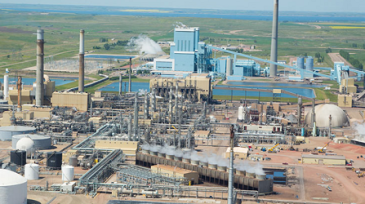
The Great Plains Synfuels Plant in North Dakota has now captured 40 million metric tons of carbon dioxide, a milestone in the synthetic natural gas production facilities’ 20-year effort to lower the impacts of energy production.
-
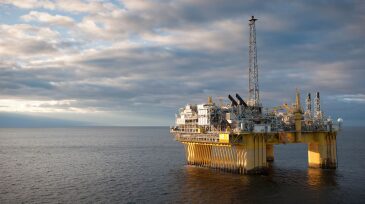
The storage of CO2 under the seabed may add millions of tons per year to global carbon-capture totals. The finance and investment sectors are recognizing the value these projects may bring to portfolios aligned with achieving climate-change goals
-
The first seminar looks at carbon capture, utilization, and storage as a way to achieve net-zero emissions. The second looks at the Methane Guiding Principles and its efforts to address methane throughout the natural gas supply chain.
-
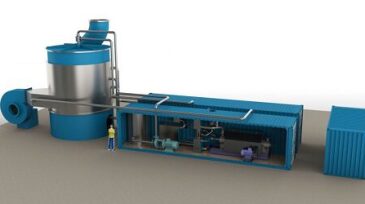
As part of the agreement, Baker Hughes will accelerate the development of Compact Carbon Capture’s technology, aiming for global commercial deployment.
-
To go big on capturing CO2, the oilfield service company is acquiring a company that specializes in going small.
-
The challenge is immense, but the promise is, too. If the oil and gas business can scale up CO2 EOR, then it can play a very big role in mitigating climate change while offering carbon-negative fuels.
-
The memorandum of understanding with Microsoft follows a conditional investment decision in May that Equinor, Shell, and Total made for the carbon capture and storage project.