Carbon capture and storage

This paper presents an approach for safe, efficient, and cost-effective legacy well reabandonment.

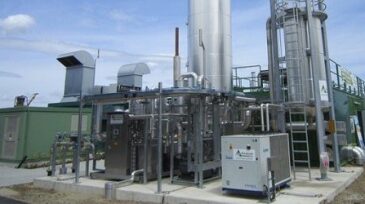
This paper presents a flexible, highly cost- and energy-efficient method of gas separation and CO₂ capture from many different gas mixtures with a large range of CO₂ concentrations.

This study explores the carbon-capture and mineralization potential of ultramafic rock powders when exposed to flue gases generated from combustion of crude oil and mesquite-derived charcoal.
-
 Total is stepping up its research into carbon capture, utilization, and storage technologies by signing a multiyear partnership with UK startup Cambridge Quantum Computing. This partnership aims to develop new quantum algorithms to improve materials for carbon capture.
 -
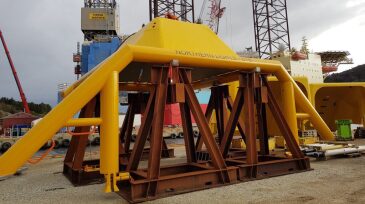
An investment decision this year would sanction Norway’s first CO2 storage project. Phase 1 is expected to be operational in 2024.
-
Equinor and partners Shell and Total have completed the drilling of a confirmation well south of the Troll field in the North Sea. The purpose of the well is to determine the suitability of the reservoir for carbon dioxide storage.
-
Salk’s Harnessing Plants Initiative will receive a $12.5 million gift from Hess to advance two projects to enhance plants’ natural ability to store carbon and mitigate the effects of climate change: the CO2 Removal on a Planetary Scale (CRoPS) program and the Coastal Plant Restoration (CPR) program.
-
BP, ENI, Equinor, Shell and Total to develop Net Zero Teesside Project. The project aims to capture 6 mtpa of CO2 emissions.
-
In the past, carbon capture and sequestration seemed to be going nowhere. Today, according to the Global CCS Institute, 19 large-scale commercial carbon capture and sequestration facilities are operating around the world, 10 of which are in the US.
-
Chevron Technology Ventures has joined a consortium in a $16-million investment in a company that provides portable carbon-capture technology.
-
A new study will identify the UK’s best sites and produce a roadmap for carbon storage to help the country reach its net zero targets, geologists say.
-
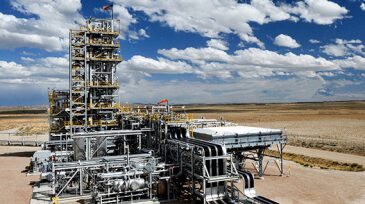
ExxonMobil is planning to build and operate a carbon capture facility in southwest Wyoming, according to a permit application filed with the state's environmental regulatory agency in January.
-
Carbon storage is perhaps the only viable option for reducing carbon to the levels that many governments have agreed are important, and EOR is the only proven technology that can be made ready in the time and at the scale required to accomplish this reduction worldwide.