Carbon capture and storage

This paper presents a flexible, highly cost- and energy-efficient method of gas separation and CO₂ capture from many different gas mixtures with a large range of CO₂ concentrations.

This study explores the carbon-capture and mineralization potential of ultramafic rock powders when exposed to flue gases generated from combustion of crude oil and mesquite-derived charcoal.

This paper presents an approach for safe, efficient, and cost-effective legacy well reabandonment.
-
 The road to a low-carbon world is paved with more than just shiny new facilities and the promise to deliver impressive CO₂ reductions from the atmosphere. Without the software to site, monitor, and maintain those facilities, the drive for net zero would be stuck in neutral.
 -
Consulting and engineering firm Wood is leading a joint industry partnership to create industry guidelines for carbon dioxide specifications to accelerate sustainable carbon capture, use, and storage projects.
-
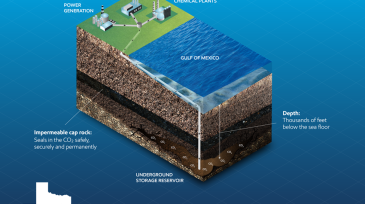
The $220-million carbon capture and storage project is one of the world's largest, with a nameplate injection capacity of 1.7 mtpa.
-
The agreement with state officials comes more than 3 years after the supermajor proposed building the world's largest carbon storage hub offshore the Houston area.
-
DNV’s Energy Transition Outlook 2024 projects continued growth in solar; slower growth in wind; and declines in coal, oil, and gas, while hydrogen and carbon capture projects are struggling.
-
Occidental’s 1PointFive will receive up to $500 million from the Office of Clean Energy Demonstrations for the carbon-capture facility in south Texas.
-
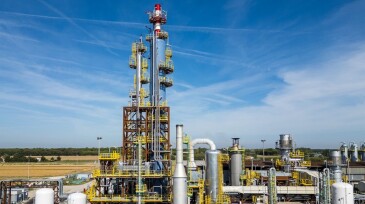
The Ravenna CCS project will capture, transport, and store carbon-dioxide emissions from Eni’s natural gas treatment plant in Casalborsetti, Italy, estimated to be approximately 25,000 tonnes per year.
-
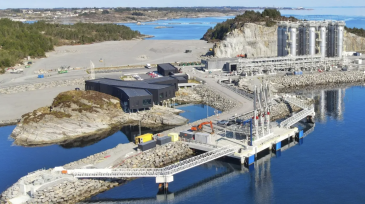
The facility for open-source carbon capture, transport, and storage has been completed.
-
Stable policies and economics that encourage development are critical for scaling carbon capture.
-
By repurposing Italy’s depleted Porto Corsini Mare Ovest offshore gas field for CO2 storage, Eni and Italian grid operator Snam have positioned the Ravenna CCS project to play a major role in the EU’s development of more than 50 mpta of CO2 storage capacity by 2030.