Completions

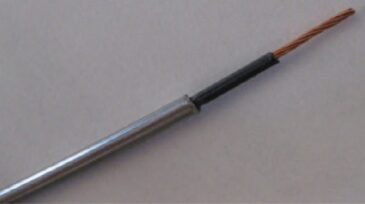
This paper presents a study that confirms glass-reinforced-epoxy-lined tubing as a reliable, cost-effective solution for long-term water-injection service in moderate-salinity offshore environments.

This paper introduces in-pipe inspection technologies enabling high-resolution digital measurements of tubular internal diameter and wall thickness for critical downhole applications.

This case study presents a procedure in which the operator compared production from wells with adjusted wettability to a control group, finding that the adjustments resulted in significant improvements in production and reductions in produced water.
-
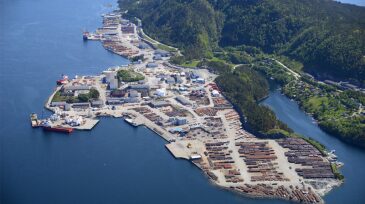
 The $10 million/year contract covers the inspection and mobilization of casing and tubing at two Norwegian sites and includes extenstion options in 2020 and 2022.
 -
A new report on shale gas from UNCTAD addresses the balance between providing affordable energy to developing countries and the agency’s climate change goals.
-
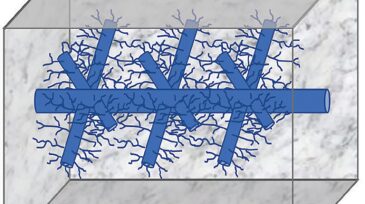
This paper describes an experimental study with a new propellant and aims to understand the pattern of fracture creation with these propellants.
-
The evolution of horizontal drilling and multistage completions has changed matrix stimulation from the “more acid, better result” belief to effective lateral distribution and deeper penetration with less acid.
-
When a new horizontal well in Asia was incapable of unassisted flow, coiled tubing (CT) was selected for the perforation and stimulation intervention. Mechanical isolation was required to ensure that the stimulation fluids entered only the new zones.
-
Plug-and-abandonment (P&A) operations can be expensive, leading to negative net present value. Historically, P&A operations in the North Sea—estimated to hold some 3,000 wells of declining production—were performed with either drilling or workover rigs.
-
A single-well polymer-injection and back-production test has been performed in an oil and gas field offshore Norway. The objective of the test was to verify at field conditions the properties measured in the laboratory for the biopolymer schizophyllan.
-
Fluids introduced into a reservoir for stimulation typically take the path of least resistance and, therefore, frequently go into areas with open flow paths. In many cases, those areas are not the targets of stimulation.
-
If the papers presented at the SPE/ICoTA Coiled Tubing and Well Intervention Conference and Exhibition this March are anything to judge by, then coiled-tubing drilling seems to be regaining some interest in the broader market.